Get a Quote
Learn how email marketing helps businesses nurture leads, retain customers, automate campaigns, send newsletters, and improve conversions.
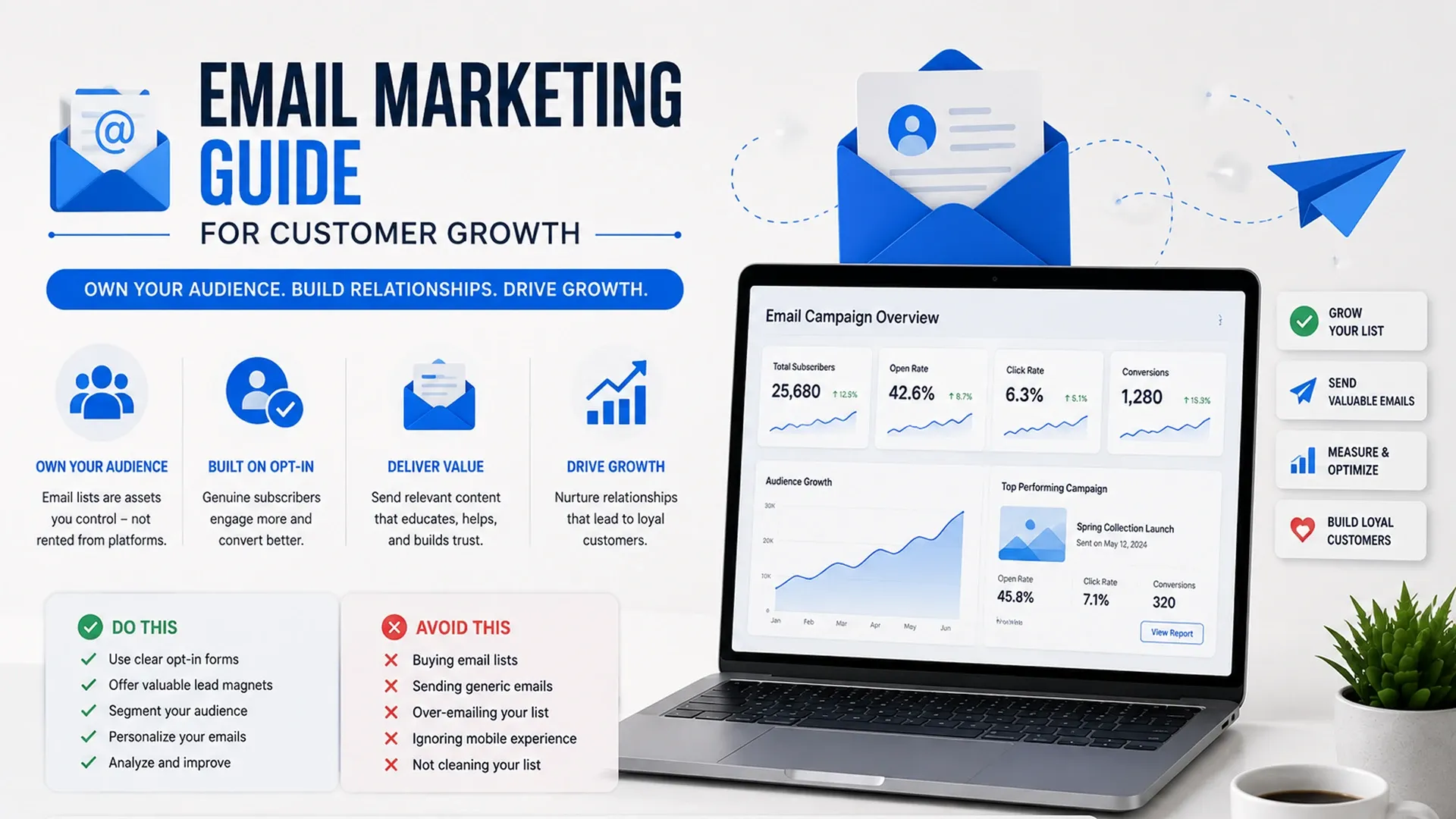
Every social platform can change its algorithm overnight and quietly cut a business off from the audience it spent years building - email doesn't have that problem. A grounded email marketing guide starts from that difference: an email list is one of the few audiences a business actually owns outright, not one it rents from a platform that could change its terms, its algorithm, or its relevance overnight.
Building that list matters as much as what gets sent to it. A list built through genuine opt-ins converts far better than one padded with purchased contacts who never asked to hear from the business in the first place, and sending to purchased lists is exactly the kind of practice that damages sender reputation fastest.
Planning Campaigns Around a Calendar, Not a Whim
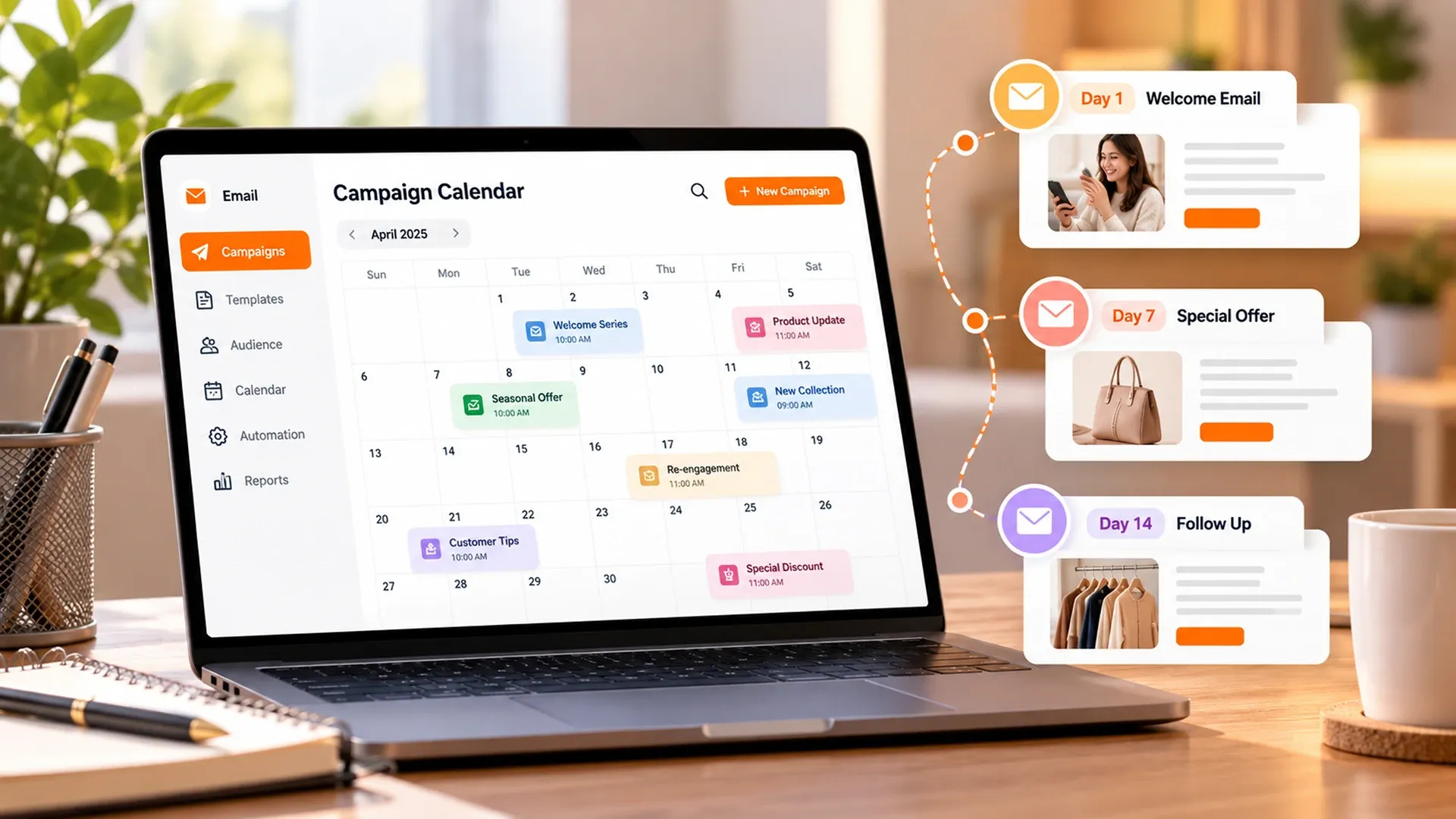
Emails sent only when someone remembers to write one tend to feel exactly like that to subscribers. A deliberate email campaign strategy plans around a calendar - launches, seasonal offers, product updates - and segments the list so each message actually feels relevant to the person receiving it, rather than blasting everyone the same generic update, all while staying within the CAN-SPAM rules that govern commercial email in the first place.
- A content calendar instead of emails sent whenever someone remembers to
- List segments based on interests, past purchases, or engagement level
- A consistent sending cadence subscribers come to expect, not dread
- Subject lines tested rather than guessed at right before hitting send
None of that planning matters if the emails never reach an inbox in the first place. Deliverability - keeping a sending reputation clean, avoiding spam trigger words, and making unsubscribing genuinely easy - determines whether a well-planned campaign actually gets read or quietly lands in a folder nobody checks.
Automating the Emails That Shouldn't Require a Human
Not every email needs a person behind the send button. Practical email automation tips put the repetitive, predictable messages - welcomes, abandoned cart reminders, re-engagement nudges - on autopilot so the team's time goes toward the campaigns that actually need a human's judgment, rather than reinventing the same welcome sequence by hand for every new subscriber.
- Send a welcome email immediately after signup, while interest is highest
- Follow up two or three days later with something genuinely useful, not a pitch
- Introduce the offer once trust has had a chance to build
- Re-engage automatically if a subscriber goes quiet for a set number of weeks
Nurturing Leads Before They're Ready to Buy
Not every new contact is ready to buy the moment they join a list, and lead nurturing email marketing exists for exactly that gap - a sequence of genuinely useful emails that build trust while a prospect makes up their mind, without pushing a sales pitch before trust has had time to develop naturally. This picks up naturally where our lead generation guide leaves off, once a name has been captured but hasn't converted yet.
Retention emails deserve just as much planning as the emails chasing a first purchase. A simple check-in a few weeks after a sale, a reminder when a subscription is due for renewal, or a small thank-you offer for a repeat customer all cost little to send and tend to matter more to long-term revenue than another one-time promotional blast.
Email doesn't need permission from an algorithm to reach someone - which is exactly why it still converts better than almost anything else.
Keeping Email Connected to the Rest of the Business
Email marketing works best when it isn't a disconnected tool running its own separate contact list - the same CRM tracking a lead's sales history should be feeding the segments and triggers behind every automated send, all pointed in the direction set by the broader marketing strategy guiding the rest of the business, since an email program running on its own separate list eventually drifts out of sync with what sales and support already know about the same contact.