Get a Quote
Learn how content marketing, SEO copywriting, blogs, storytelling, inbound strategy, and content funnels help businesses grow online.
Content marketing works by giving potential customers something genuinely useful before asking for anything in return — a guide that answers their question, a case study that shows real results, an article that clarifies a confusing topic. Done well, it builds trust gradually, so that by the time someone is ready to buy, a business already feels familiar and credible rather than like a cold introduction they're encountering for the first time.
Choosing the Right Content Format for the Goal
A good blog content strategy matches different formats to different stages of a customer's decision-making process, and mismatching them wastes effort:
- Blog posts and guides for early-stage education and SEO visibility
- Case studies and testimonials for building trust closer to a decision
- Whitepapers and in-depth reports for establishing authority
- Short-form content for staying visible between larger content pieces

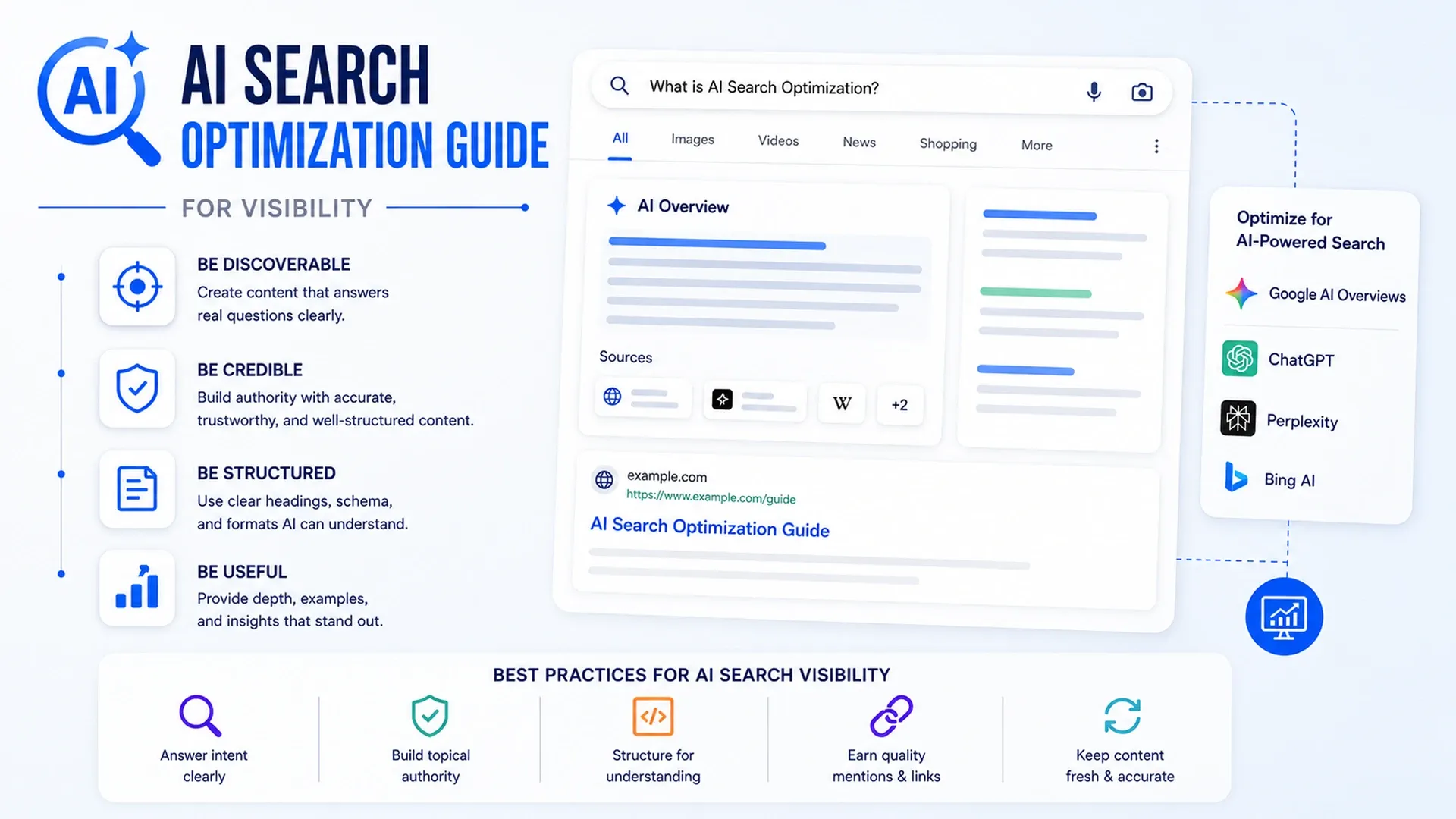
Writing for Search Intent, Not Just Keywords
One of the most important SEO copywriting tips is this: ranking content isn't just about including the right keywords — it's about genuinely matching what someone is trying to accomplish when they search, the same principle that drives on-page and content SEO. A person looking for a quick definition wants something very different from someone comparing options before a purchase, even if their search terms overlap significantly. Content that misjudges this intent might rank briefly but rarely holds its position, since search engines increasingly reward pages that satisfy the searcher completely enough that they don't need to click back and try again.
Guiding Readers From Awareness to Inquiry
Helpful content, especially when built around a genuine brand storytelling guide, shouldn't end abruptly once it's answered a question — it should offer a clear, low-pressure next step for readers who want to go further, whether that's a related article, a relevant case study, or a simple way to get in touch. Content marketing that never guides readers anywhere leaves valuable interest with nowhere to go, while content that pushes too hard, too early, undermines the trust it just built.
The goal is a natural path forward, not a hard sell.
Repurposing Content Across Formats
A single piece of well-researched content rarely has to live only as one blog post. A detailed guide can be broken into a short-form social series, a case study can be condensed into a one-page summary for sales conversations, and key statistics from a report can be turned into standalone visuals. Repurposing existing content this way extends the return on the original research and writing effort, and it reaches audiences who prefer different formats without requiring an entirely new topic to be researched from scratch every time.
- Turning long guides into shorter social posts or email snippets
- Condensing case studies into quick-reference one-pagers
- Converting data-heavy content into simple visuals or infographics
- Updating older high-performing content instead of always starting new

Measuring Content Marketing Beyond Traffic
Page views and traffic numbers are the easiest content metrics to report, but they don't tell the full story of whether content marketing is actually contributing to the business. More meaningful measurement tracks how content influences the customer journey — which pieces readers engage with before reaching out, which topics correlate with actual leads, and which older content continues generating inquiries long after publication. Content marketing that only gets judged by short-term traffic spikes tends to favor trendy, low-value topics over the kind of durable, useful content that keeps working for years.
Content marketing builds trust by being genuinely useful first, choosing formats that match how people actually make decisions, guiding interested readers toward a natural next step, and getting extended value through thoughtful repurposing. Businesses that stay consistent with this approach, and measure it by outcomes rather than traffic alone, build an asset that keeps attracting and converting long after any individual piece is published. Once that content exists, our social media management guide covers how to keep distributing it consistently.