IM Digital rebuilt Profile House's flat product listing into a structured, CMS-driven B2B website with category hierarchy, technical product pages, and intent-based enquiry forms for buyers.
Project Name
Profile House
Category
Web & App Development
Services
Website Development
Project Overview
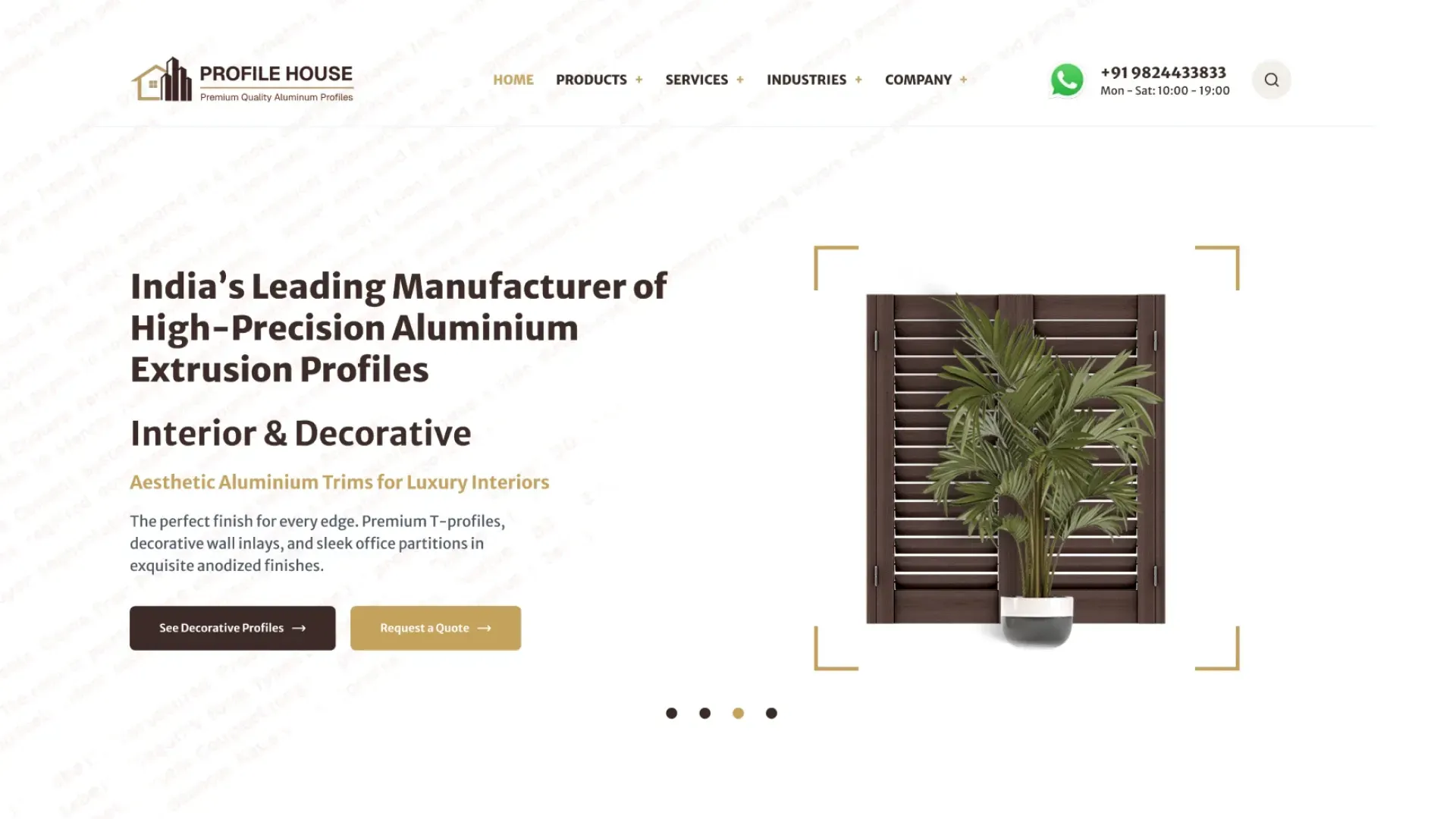
Profile House is a B2B aluminium profile manufacturer and supplier serving architects, modular kitchen dealers, fabricators, and OEMs. Its previous website presented every profile as a flat, undifferentiated listing, making it difficult for technical buyers to locate the right product or submit a relevant enquiry. IM Digital rebuilt the site around a three-tier product hierarchy, four main categories, ten sub-categories, and individual product landing pages, supported by a consistent page template covering applications, technical specifications, finishes, and FAQs. Intent-based enquiry forms and a CMS-driven content model now let staff maintain the catalogue as new profiles are added.
Project Summary
IM Digital partnered with Profile House to replace its flat product listing with a structured B2B website built around clear categories, technical product pages, and purpose-built enquiry forms.
Profile House needed a website that could represent its full aluminium profile range, kitchen profiles, architectural systems, interior and decorative profiles, and industrial and specialized profiles, matching how B2B buyers search and specify products. The goal was a clear category structure, technical product pages, and enquiry paths matched to each buyer type, all maintainable through a CMS.
We audited the existing flat catalogue and mapped every profile into a new three-tier hierarchy of four main categories, ten sub-categories, and individual product pages for clear navigation.
We designed a consistent product-page template covering hero messaging, applications, technical specifications, finishes, benefits, related profiles, and FAQs for every profile page.
We built four intent-based enquiry forms, general enquiry, product quote, custom profile, and catalogue or CAD request, each capturing the specific details different B2B buyers need to provide.
We structured a CMS content model covering products, categories, services, industries, articles, FAQs, finishes, and technical downloads, so Profile House's team can maintain the site independently.
Service Delivered
IM Digital delivered a full website rebuild for Profile House, covering site architecture, product templates, navigation, enquiry forms, and a CMS content model built for catalogue growth.
Service Showcase
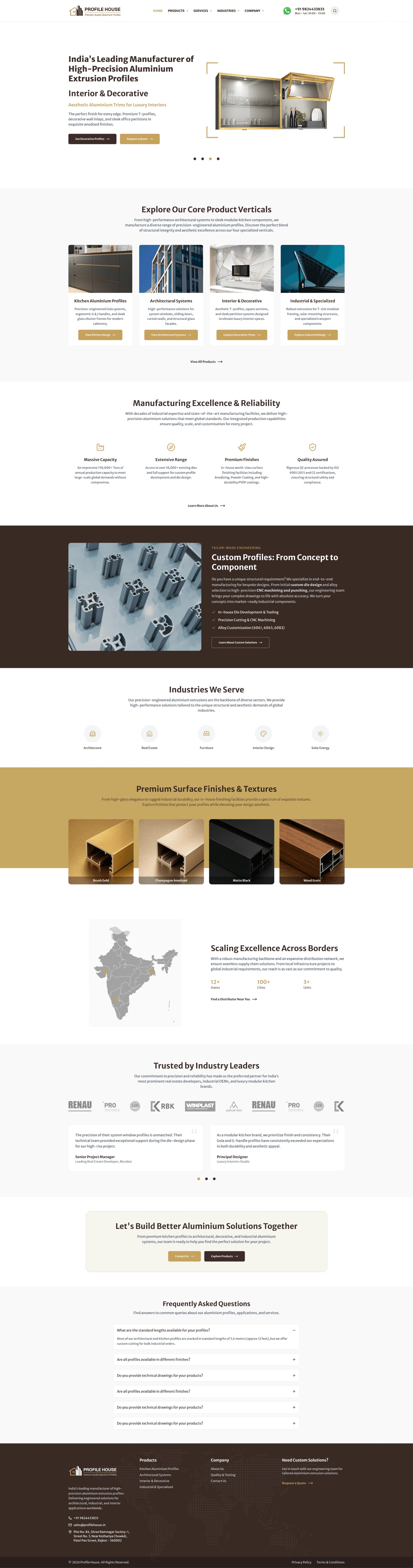
From category pages to product-level detail, every part of the new site was designed around how architects, dealers, fabricators, and OEMs actually evaluate and specify aluminium profiles.
Whether you need scalable software development, AI integration, SEO optimization, or complete digital transformation, our team is ready to help your business grow globally.
Business Challenge
Profile House's previous website listed products with little structure, making it hard for architects, kitchen dealers, fabricators, and OEMs to find the profile they needed or understand its application. There was no consistent way to present technical information such as approved drawings, dimensions, alloy and temper, and tolerances, so buyers often had to enquire to get basic specifications. A generic contact form couldn't distinguish a dealer requesting a quote from an OEM submitting a custom drawing for a feasibility check. Content updates depended on manual page edits rather than a structured system, making it difficult to add new profiles as the catalogue grew.
Every profile appeared in a single undifferentiated list, with no category structure to guide architects, dealers, fabricators, or OEMs toward the specific product relevant to their project.
Pages lacked consistent technical information such as approved drawings, dimensions, weight, alloy and temper, and tolerances, forcing buyers to send an enquiry just to confirm basic specifications.
A single generic contact form couldn't distinguish a dealer's quote request from a custom OEM drawing submission, so sales staff had to manually sort and route every enquiry that came in.
Without a CMS content model built around products, categories, and technical assets, adding new profiles or updating specifications required manual, page-by-page changes to the site.
The site treated architects, kitchen dealers, fabricators, and OEMs the same way, with no dedicated paths for industries such as solar, automotive, or healthcare equipment applications.
Strategic Approach
IM Digital began by mapping Profile House's full product range into a logical hierarchy that matched how B2B buyers search and specify aluminium profiles. Four main categories, led by kitchen aluminium profiles, ten sub-categories, and individual product landing pages replaced the flat listing. A single, consistent product-page template was designed to carry applications, technical specifications, finishes, benefits, related profiles, and FAQs across every page. Enquiry forms were built around buyer intent rather than a generic contact form, and the site was structured on a CMS content model covering products, categories, services, industries, articles, FAQs, and downloads.
We organized Profile House's full range into four main categories, kitchen aluminium profiles as the hero category alongside architectural systems, interior and decorative, and industrial and specialized, split into ten sub-categories.
We created one consistent product-page template combining hero value statements, applications with real imagery, technical information, finishes, evidence-based benefits, related profiles, and page-specific FAQs across every profile.
We structured full site navigation around Home, Products, Services, Industries, Company, and Contact, so every buyer type could reach relevant categories, services, and industry-specific content in a few clicks.
We built a General Enquiry form, a Product Quote form, a Custom Profile form for OEM and engineering needs, and a Catalogue or CAD Request form, each capturing the details relevant to that enquiry type.
We modeled the CMS around products, categories and sub-categories, services, industry pages, articles, reusable FAQs, finishes, technical downloads, and enquiry submissions carrying product and page context for ongoing upkeep.
Result
The rebuilt Profile House website turned a flat catalogue into a structured B2B platform, giving buyers clear product pages and giving the sales team qualified, intent-specific enquiries to act on.
50+
Structured Product Pages
4
Enquiry Form Types
+38%
Form Completions
-24%
Bounce Rate
Whether you need scalable software development, AI integration, SEO optimization, or complete digital transformation, our team is ready to help your business grow globally.
Explore more software, AI, SEO, and digital marketing projects where we've helped brands achieve real, measurable growth.
Search Engine Optimization
Search Engine Optimization
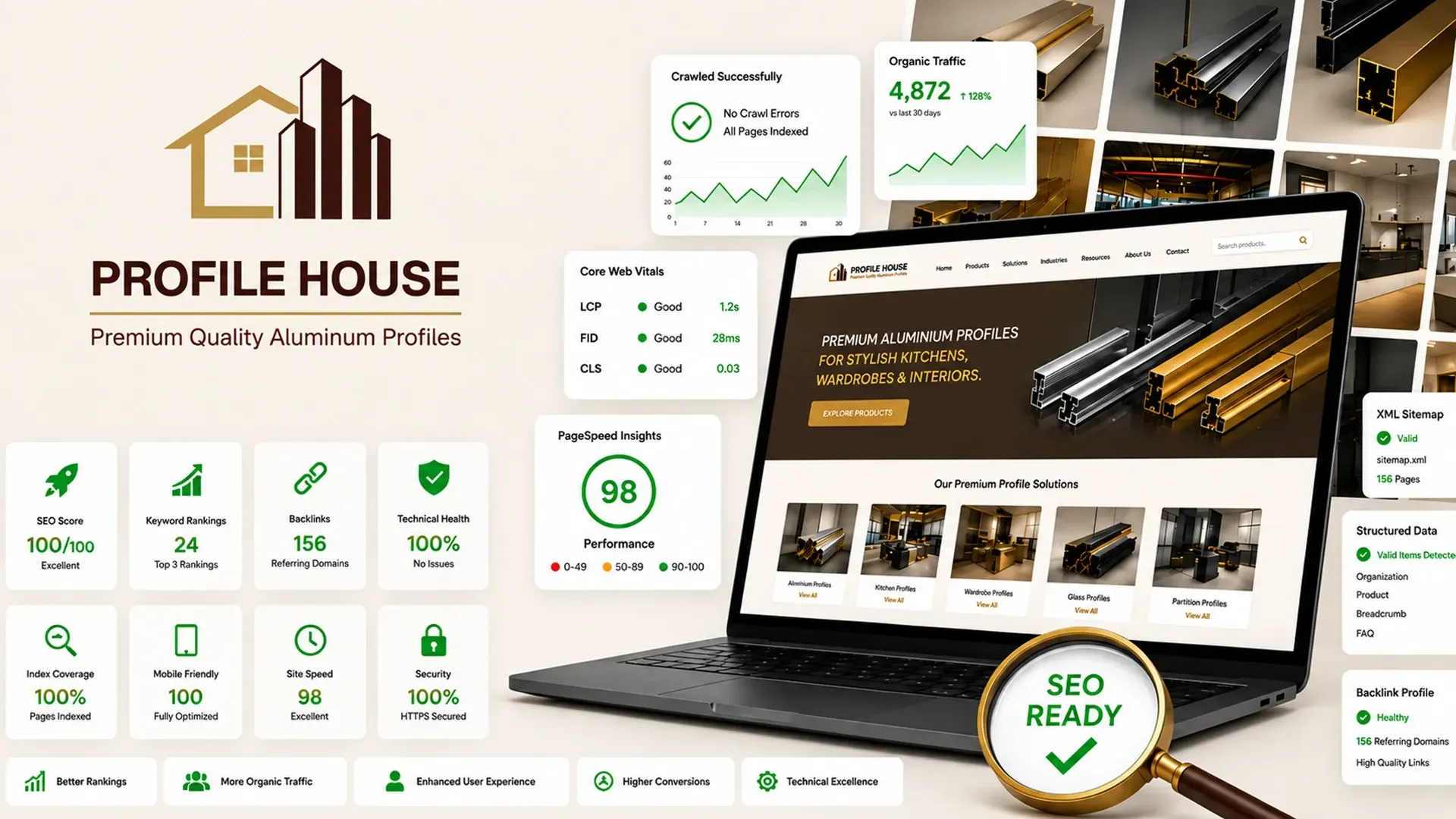
How IM Digital rebuilt Profile House's URL architecture, internal linking, redirects, and structured data, turning a flat, unstructured product listing into a fully crawlable B2B platform.
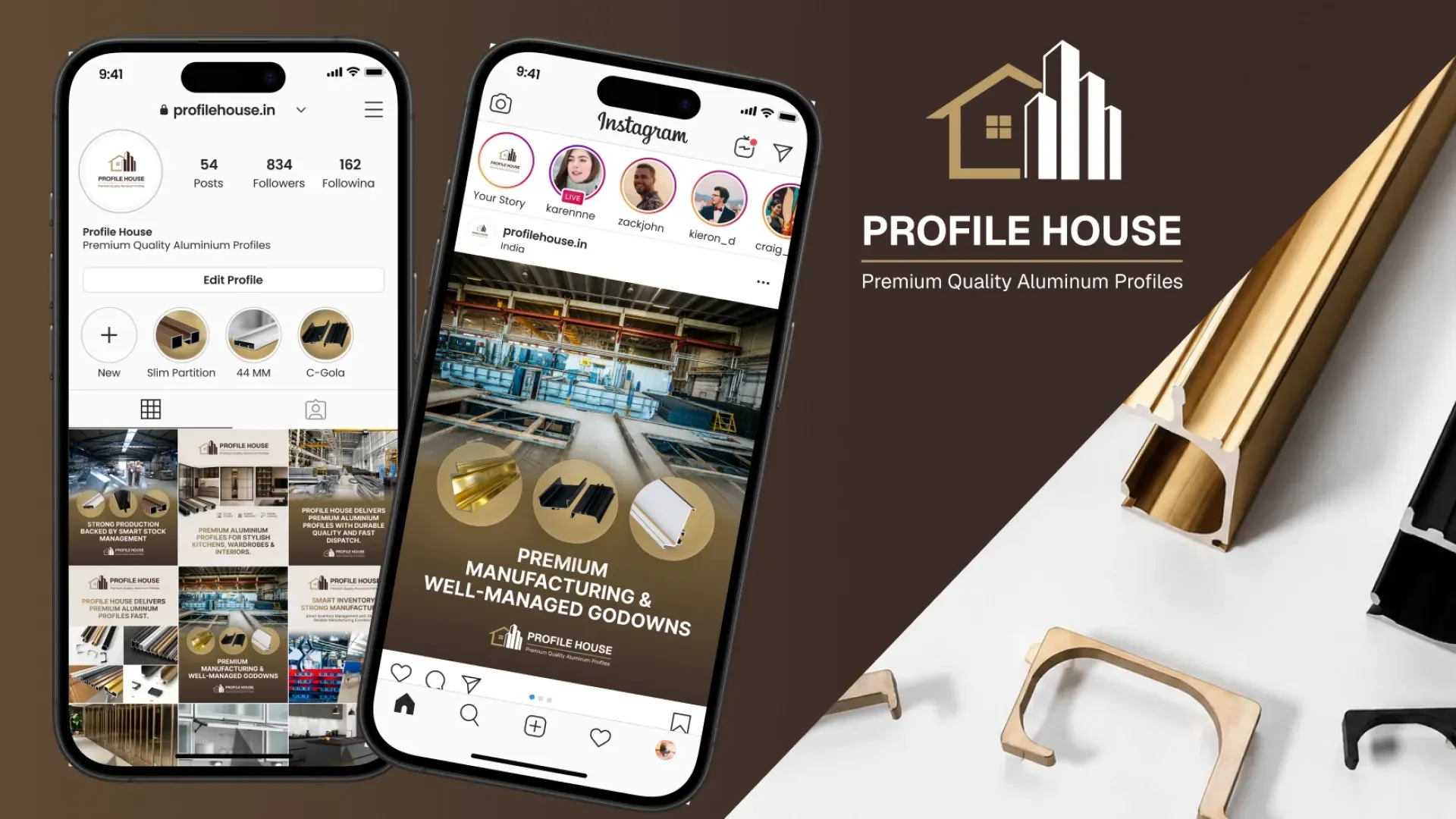
See how IM Digital built a channel-specific social media strategy for Profile House, an aluminium profile manufacturer, converting technical content into qualified architect, dealer and OEM enquiries.
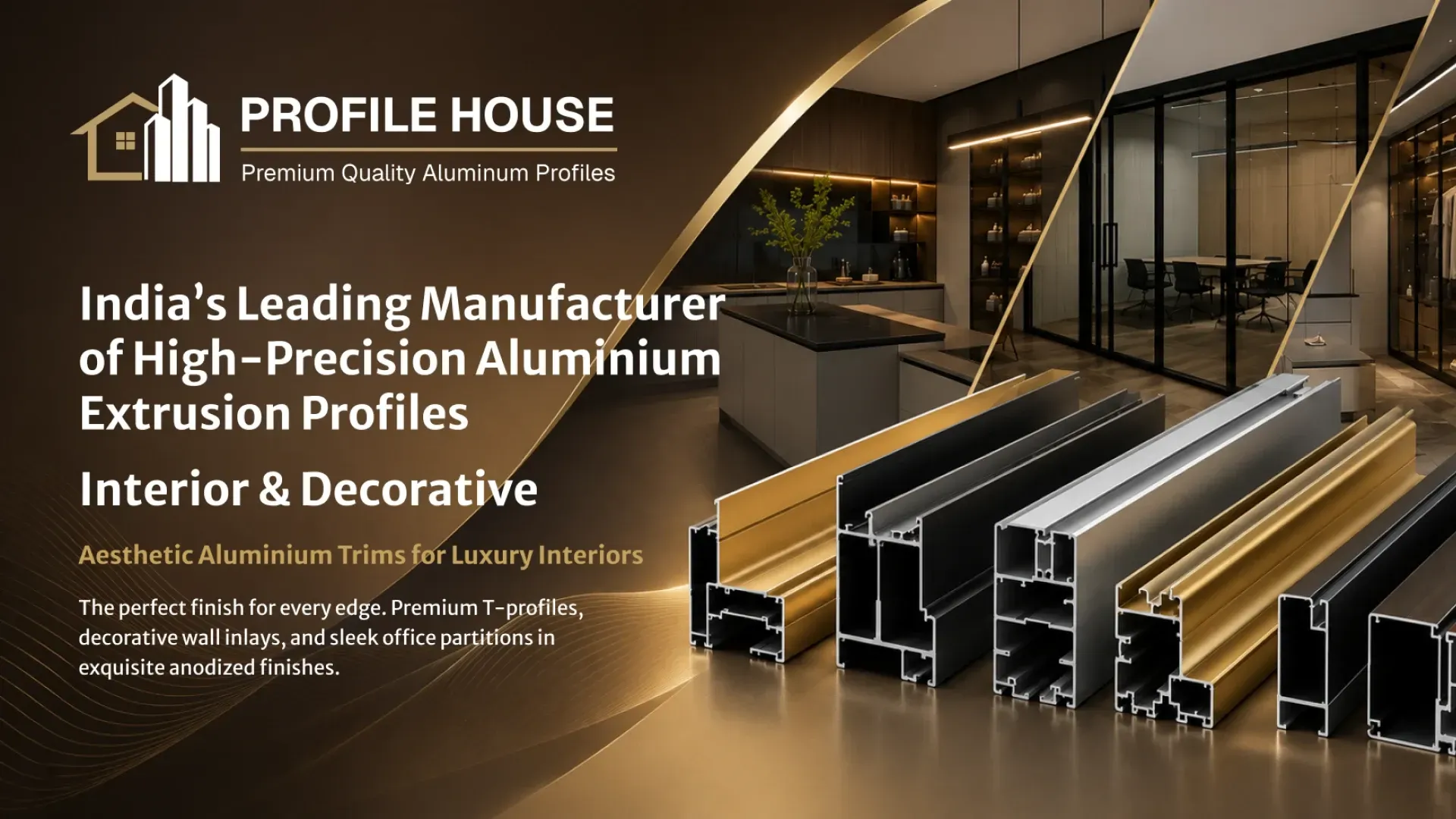
Search Engine Optimization
Search Engine Optimization
IM Digital replaced Profile House's repetitive, flat product pages with an intent-mapped structure, unique metadata, and technical content built for architects, dealers and fabricators.
Browse our complete portfolio of digital work across every industry we serve.
Explore Our WorkA good B2B product website organizes its catalogue into clear categories and sub-categories instead of one flat list buyers must dig through. Profile House's rebuild introduced four main categories, ten sub-categories, and individual product landing pages, each following one consistent template covering applications, specifications, finishes, and FAQs. Explore Website Development for manufacturers.
Most B2B manufacturing sites need more than one generic contact form, since a dealer's quote request and an OEM's custom drawing submission carry entirely different details. Profile House now uses four intent-based forms, general enquiry, product quote, custom profile, and catalogue or CAD request, which lifted form completions 38% once buyers found the exact form matching their need.
Technical buyers need detailed specification pages so they can qualify a product before ever contacting sales. Profile House's previous flat listing forced architects and fabricators to enquire just to confirm dimensions, alloy, and tolerances, so the rebuild added approved drawings and full technical detail directly on every product page, cutting unnecessary back-and-forth.
Yes, a CMS-driven catalogue built around products, categories, and technical assets keeps buyers on relevant pages instead of bouncing from a confusing structure. Profile House's bounce rate fell 24% after replacing manual, page-by-page edits with a structured content model spanning products, industries, articles, and downloads that staff maintain independently.
Getting started means auditing your existing catalogue and mapping every product into a hierarchy that matches how buyers actually search and specify. IM Digital took Profile House through this exact process before designing templates and enquiry forms. Contact our team to start planning your rebuild.

 Get a Quote