
 Get a Quote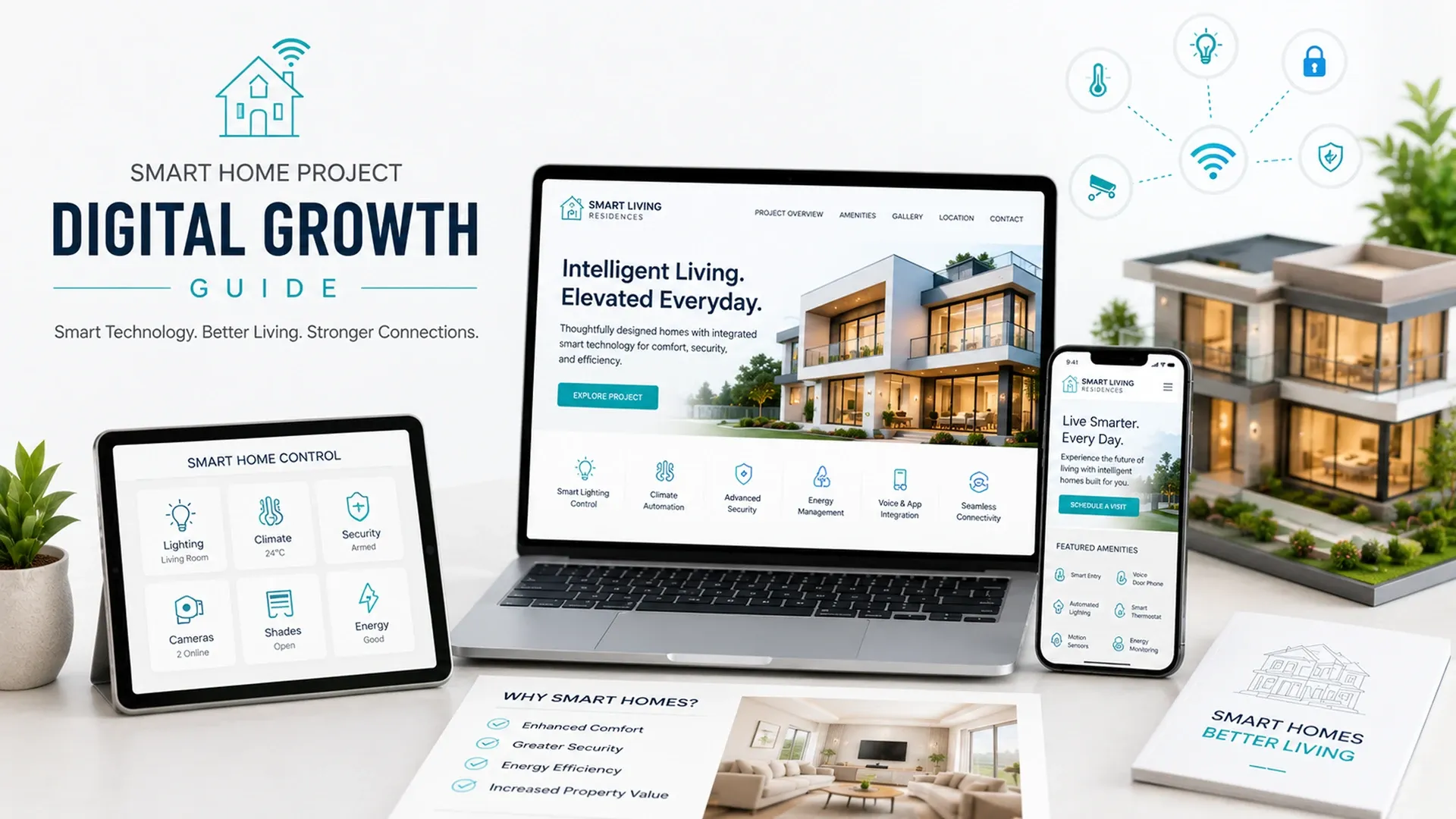
Learn how smart home projects grow with technology-focused websites, SEO, buyer education, lead generation, premium positioning, and campaigns.
A "smart home" is a promise that's genuinely hard to photograph — a beautifully staged kitchen looks the same in a listing whether or not it's wired for app-based lighting, climate control, and security. A solid smart home project marketing guide has to work harder than a typical property campaign, translating technology that buyers can't see in a photo into benefits they can actually picture living with every day.
Explaining Smart Features in Plain, Concrete Language
Buyers rarely get excited about a spec sheet listing sensors and protocols — they get excited about not fumbling for a light switch with groceries in both hands, or seeing exactly who's at the door from anywhere. Translating features into everyday scenarios, rather than technical jargon, is what actually moves a smart home from novelty to genuine selling point.
- Everyday scenarios instead of technical specifications
- Clear answers about what happens if the internet or app goes down
- Honest information about ongoing subscription or maintenance costs
- Comparisons showing what's included as standard versus optional upgrades
Letting Buyers Experience the Technology Before They Buy
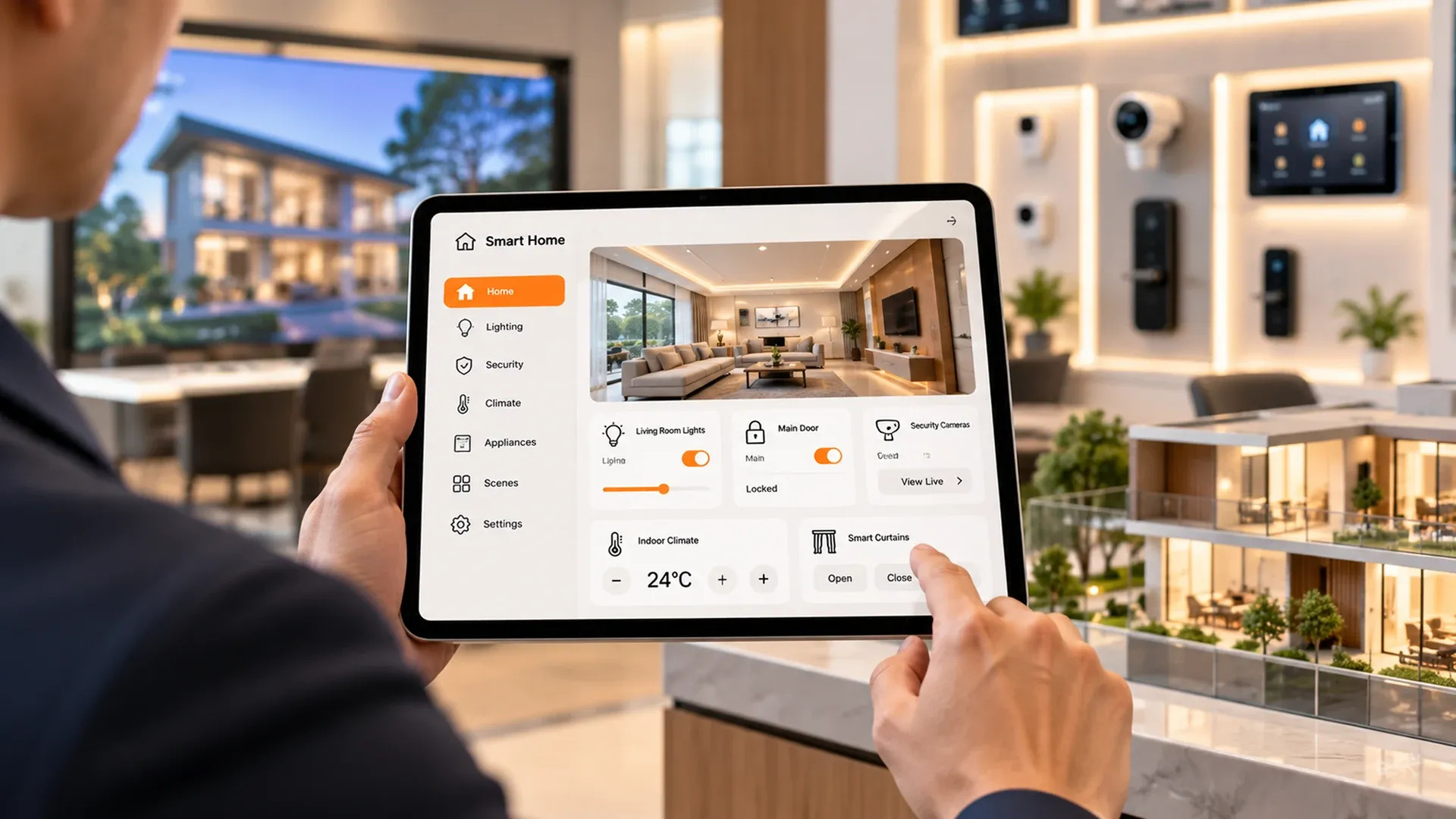
Because much of a smart home's value lives in the app and automation, not the physical space itself, a strong smart home website strategy gives buyers a way to interact with a demo before ever stepping into a model unit — a simulated app walkthrough, short demonstration videos, or a live interactive demo station built into the sales office experience.
Addressing Security and Privacy Concerns Directly
Smart technology naturally raises questions about privacy and security that a typical home purchase never has to address — who can access camera footage, what happens to usage data, and whether a system can be hacked. Avoiding these questions doesn't make them disappear; it just means a buyer researches the answer somewhere else, possibly from a less flattering source. Addressing security measures directly, including how firmware updates are handled and what happens if a company providing part of the system shuts down, builds far more confidence than simply listing features and hoping nobody asks.
Ranking for Buyers Who Don't Yet Know the Right Terms to Search
Many prospective buyers search in general terms — "homes with smart security" or "energy-efficient new builds" — rather than specific brand or protocol names, which means good SEO for smart home projects has to rank for curiosity-stage searches, not just decision-stage ones. Content explaining broader standards, such as the cross-brand Matter smart home standard, helps establish authority with buyers who are still learning what questions to ask.
Turning Innovation Into Premium Positioning
Digital marketing for smart homes works best when technology is framed as part of a broader premium experience rather than a gimmick bolted onto an otherwise ordinary unit. Projects that connect smart features to genuine lifestyle benefits — security, savings, and convenience — justify a stronger price position than ones simply listing "smart-enabled" as a bullet point.
Nobody pays a premium for technology they don't understand — they pay for the convenience they can already picture using.
Educating Buyers Instead of Overselling Buzzwords
Overusing buzzwords like "AI-powered" or "next-generation" without concrete explanation tends to trigger skepticism rather than excitement, especially among buyers who have seen the term attached to underwhelming products before. The same buyer-first clarity that helps residential housing projects turn floor plans into confident decisions applies just as directly here — plain language earns more trust than impressive-sounding claims.
Growing a smart home project comes down to explaining features in language buyers actually relate to, letting them experience the technology before committing, ranking for the curiosity-stage searches many buyers start with, and framing innovation as a genuine premium experience rather than a marketing buzzword. Projects that combine clear education with confident positioning turn a hard-to-photograph promise into one of their strongest reasons to buy.