
 Get a Quote
Learn how food product brands grow with ecommerce, product SEO, packaging, storytelling, paid campaigns, and customer retention.
Packaged food is one of the hardest categories to sell purely online, because the single most important factor in whether a customer likes a product — taste — simply can't be conveyed through a photo or a description no matter how well written. A practical food product brand growth guide accepts that limitation from the start and works around it, substituting the missing sensory experience with everything else that can be communicated clearly.
Solving the 'I Can't Taste It' Problem Online
Good food product ecommerce tips lean on the signals that come closest to substituting for taste — detailed flavor descriptions written specifically rather than generically, reviews that describe the actual eating experience, and small sample or variety packs that lower the risk of a first purchase.
- Specific, sensory flavor descriptions instead of generic marketing copy
- Genuine reviews that describe the actual taste and texture
- Sample or variety packs that reduce the risk of a first order
- Clear serving suggestions and ideas for how to actually use the product
Making Packaging and Labels Work as Hard Online as In-Store
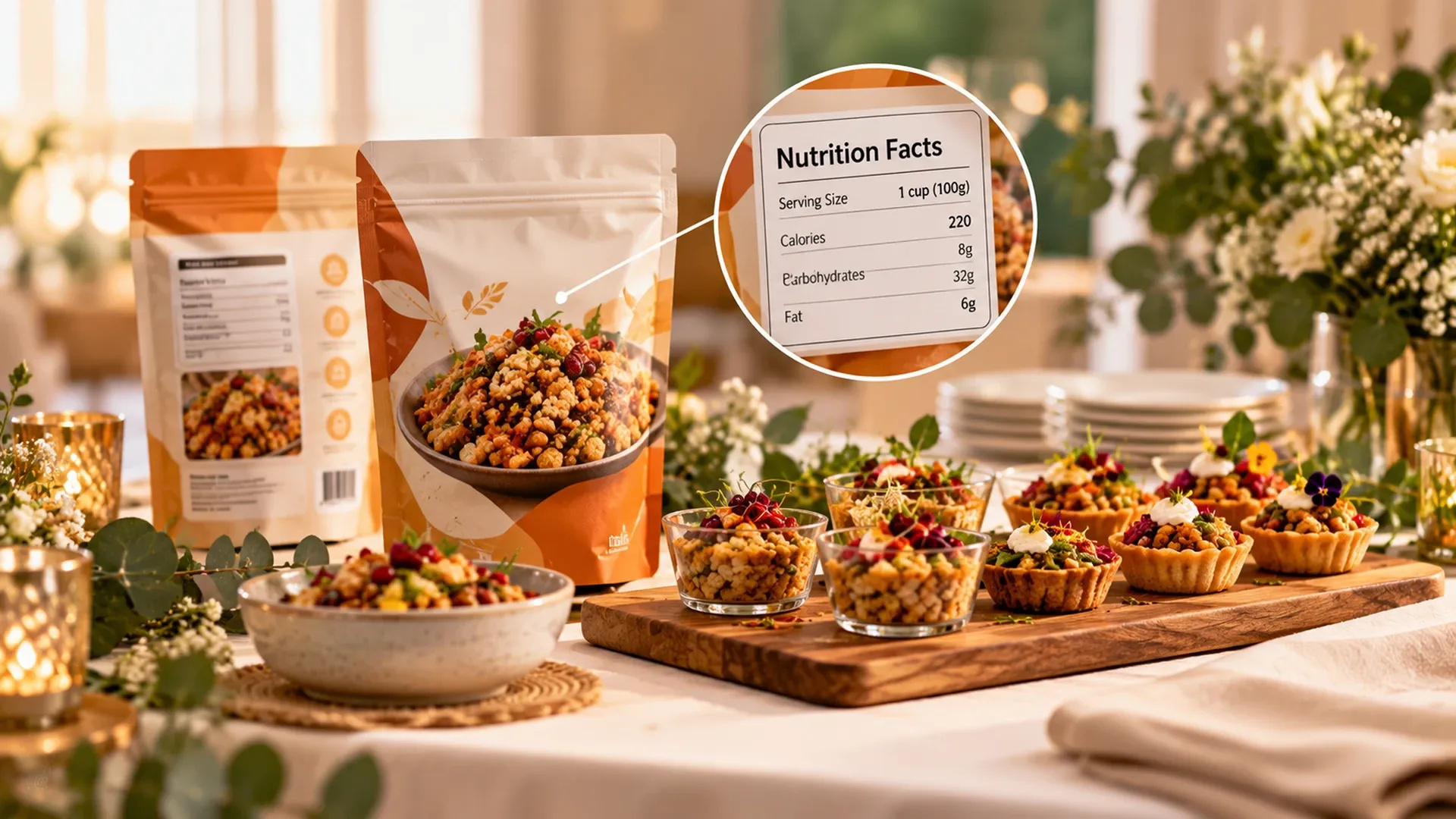
On a shelf, packaging communicates instantly through color, imagery, and placement, but online it has to work differently — clear product photography from multiple angles, zoomable label images, and nutrition information presented in an easy-to-scan format all replace the tactile experience of picking up a package in a store aisle.
Making Allergen and Dietary Information Impossible to Miss
Shoppers with allergies or specific dietary needs can't afford to guess, and burying allergen information in a tiny ingredient list forces them to either dig for it or abandon the purchase out of caution. Clearly labeled dietary badges — gluten-free, nut-free, vegan, and similar markers — displayed prominently on both product pages and search results let these shoppers filter confidently instead of cross-referencing every listing manually. Brands that make this information easy to find don't just serve a niche audience; they remove real purchase friction for a meaningful share of every food category's total shoppers, many of whom will default to a competitor the moment this information is hard to locate.
Ranking for Diet, Ingredient, and Occasion-Based Searches
Good SEO for packaged food brands covers more than the product name — shoppers search by dietary need, specific ingredients they want or want to avoid, and even the occasion they're shopping for, like a quick breakfast or a party snack. Content and product pages built around these actual search patterns capture demand a generic product listing would otherwise miss.
Building Trust Through Certifications and Transparency
Food safety and sourcing claims carry real weight with shoppers, and vague language like "natural" means far less than a verifiable certification such as USDA Organic or a clearly documented sourcing story. Brands that back up claims with specifics build more confidence than ones relying on buzzwords alone.
A shopper can't taste a product through a screen, but they can absolutely taste the difference between a vague claim and a specific one.
Turning One-Time Buyers Into Subscribers
Digital marketing for food product brands benefits enormously from subscription models for items customers repurchase naturally — coffee, snacks, pantry staples — turning a single transaction into recurring revenue without repeating the acquisition cost each time. The same repeat-purchase thinking applies well to cloud kitchens building loyal ordering habits and catering services securing repeat event business.
Growing a food product brand comes down to solving the fundamental problem of taste never translating through a screen, making packaging and labels work just as hard online as they do in-store, ranking for the diet, ingredient, and occasion-based searches shoppers actually run, building trust through real certifications rather than vague claims, and turning first-time buyers into loyal subscribers. Brands that manage all of this convert far more browsing traffic into repeat, reliable orders.