
 Get a Quote
Learn how wellness centers grow with websites, local SEO, membership systems, retention workflows, customer engagement, and digital marketing.
Wellness centers occupy an unusual middle ground between healthcare and hospitality — clients expect real expertise and results, but they also expect the kind of welcoming, trustworthy experience they'd look for in any premium service. Growing a wellness business online means balancing both: proving genuine credibility while making the actual experience of finding, booking, and returning feel effortless.
Turning Single Visits Into Memberships
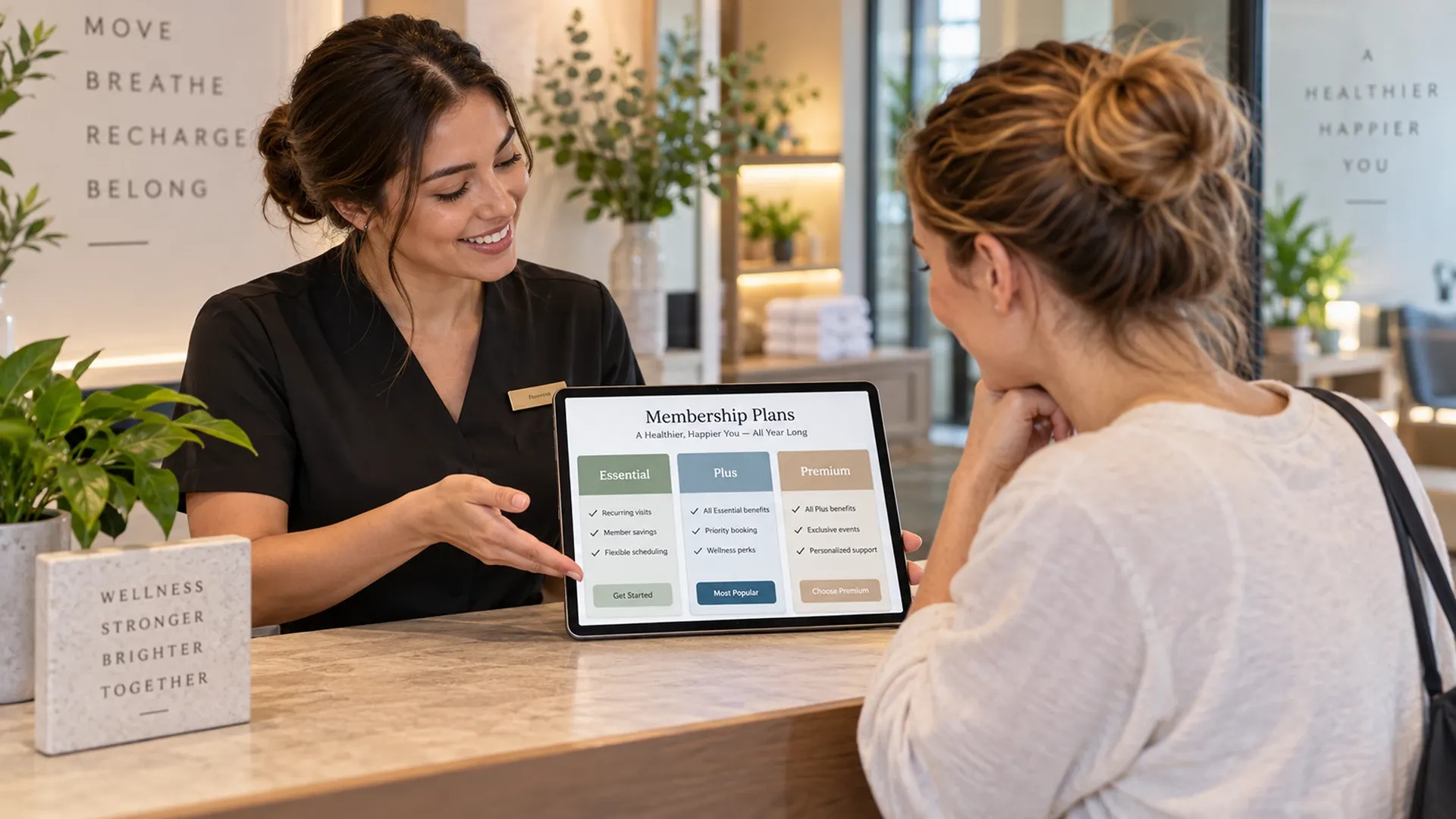
A one-time visitor is valuable, but a solid membership system for wellness centers turns predictable revenue into the norm by getting clients to commit to automated, recurring membership systems. Converting first-time visitors into members works best when the offer is presented at the right moment rather than buried in a pricing page nobody reads before booking:
- Presenting membership options right after a positive first-visit experience
- Offering a genuine discount or bonus for committing to a recurring plan
- Making cancellation and pausing simple, which paradoxically increases signups
- Highlighting the specific value members get that one-time visitors don't
Winning Local Search and Maps
Most wellness clients search with location in mind — "massage near me," "wellness center [city]" — which is exactly why wellness marketing and SEO tips treat local search visibility as one of the highest-return areas to invest in:
- A complete, verified business profile with accurate hours and services
- Photos that reflect the real space, not generic stock imagery
- A steady stream of genuine reviews, not just a handful from launch week
- Location pages for centers operating in more than one area
Building Retention Into the Customer Journey
Acquiring a new client typically costs far more than retaining an existing one, yet many wellness businesses invest heavily in attracting new visitors while leaving retention almost entirely to chance. Simple systems — a reminder before a membership renews, a check-in message after someone hasn't visited in a while, a small loyalty reward for consistent attendance — keep clients engaged without requiring constant manual effort from staff. Centers that build these touchpoints into their booking and communication systems see meaningfully higher repeat visit rates than those relying on clients to remember to come back on their own.
Making Service Pages Do the Explaining
Wellness offerings often span a wide range — massage, skincare treatments, fitness classes, recovery services — and cramming all of it onto a single generic page leaves visitors unsure what actually applies to their needs. Dedicated pages for each major service, explaining what it involves, who it's suited for, and what to expect during a first visit, help visitors self-select confidently and arrive at a booking decision with realistic expectations already set.
Presenting the Space Before Anyone Steps Inside
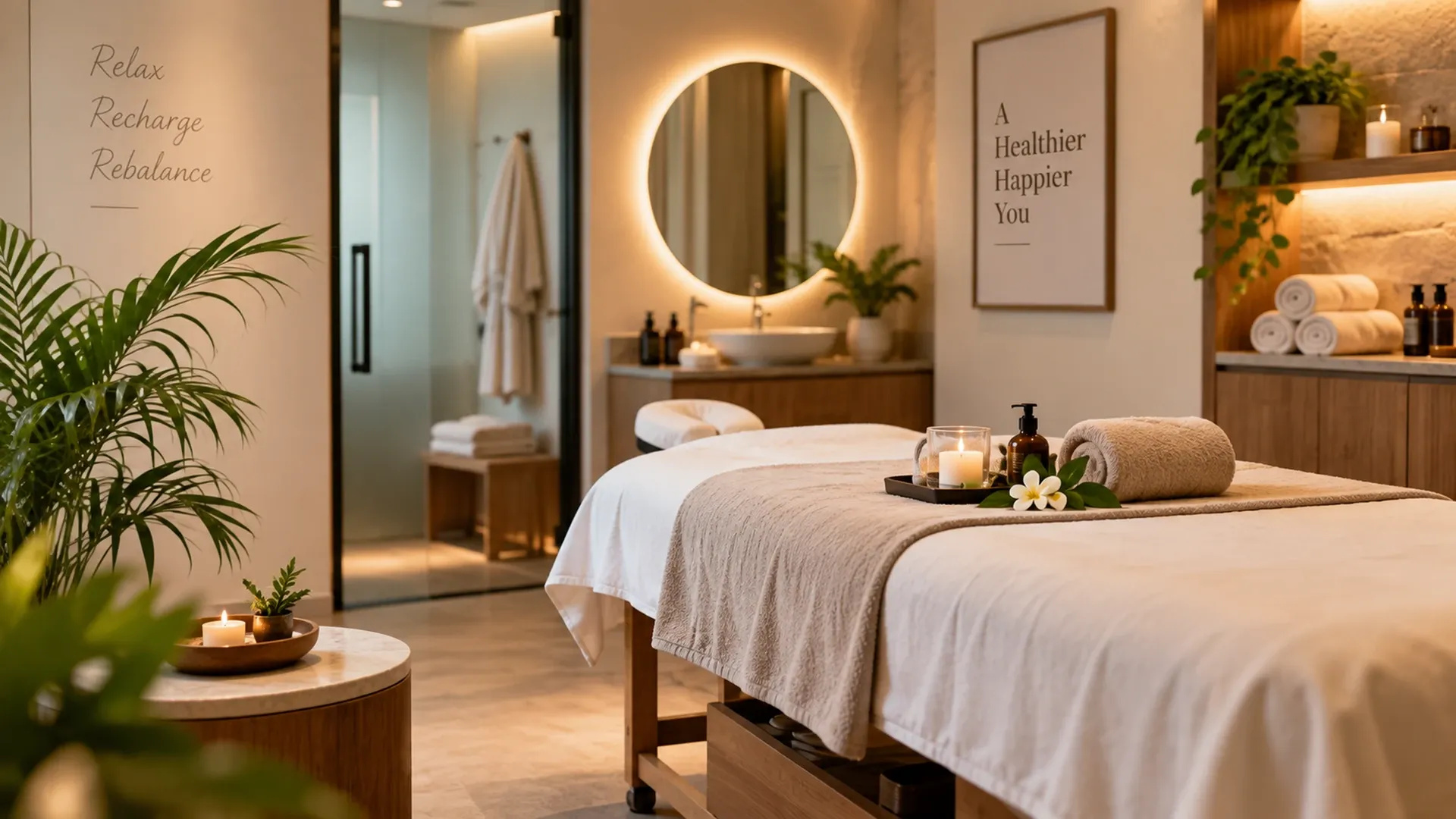
Wellness is inherently sensory — the atmosphere, cleanliness, and overall feel of a space matter as much to a prospective client as the treatments on offer, yet many wellness websites rely entirely on generic stock photography that could belong to any center anywhere. Genuine photos and short video of the actual space, staff, and treatment rooms, presented through thoughtful UI/UX design, give visitors a realistic preview of what they're booking, which builds a kind of comfort and trust that a polished but generic stock image simply cannot provide, especially for clients who are trying wellness services for the first time and are naturally a little uncertain about what to expect.
Handling Cancellations and Rescheduling Without Friction
Rigid, punishing cancellation policies tend to discourage bookings in the first place, since clients naturally hesitate to commit if changing plans feels like it will be complicated or costly. A clear, reasonable policy — communicated upfront rather than buried in fine print — combined with an easy self-service way to reschedule, removes a quiet source of hesitation that otherwise keeps some prospective clients from booking at all.
Centers that make changing an appointment simple tend to see more first-time bookings, not fewer, because the perceived risk of committing is lower.
The right digital solutions for wellness businesses come down to turning first visits into memberships, winning visibility in local search and maps, building retention into everyday systems rather than leaving it to chance, giving each service the clear explanation it deserves, presenting the physical space honestly, and removing friction around cancellations. Centers that invest in all of this build steadier, more predictable growth than those relying on new-client acquisition alone.