
 Get a Quote
Learn how premium cosmetics brands grow with ecommerce, beauty SEO, product launches, brand positioning, conversion strategy, and marketing.
Premium cosmetics customers are paying for more than the product itself — they're paying for an experience that feels considered, aspirational, and worth the price difference from a mass-market alternative. A digital presence that doesn't reflect that same level of care undermines the very positioning the brand is trying to sell.
Ecommerce That Feels as Premium as the Product
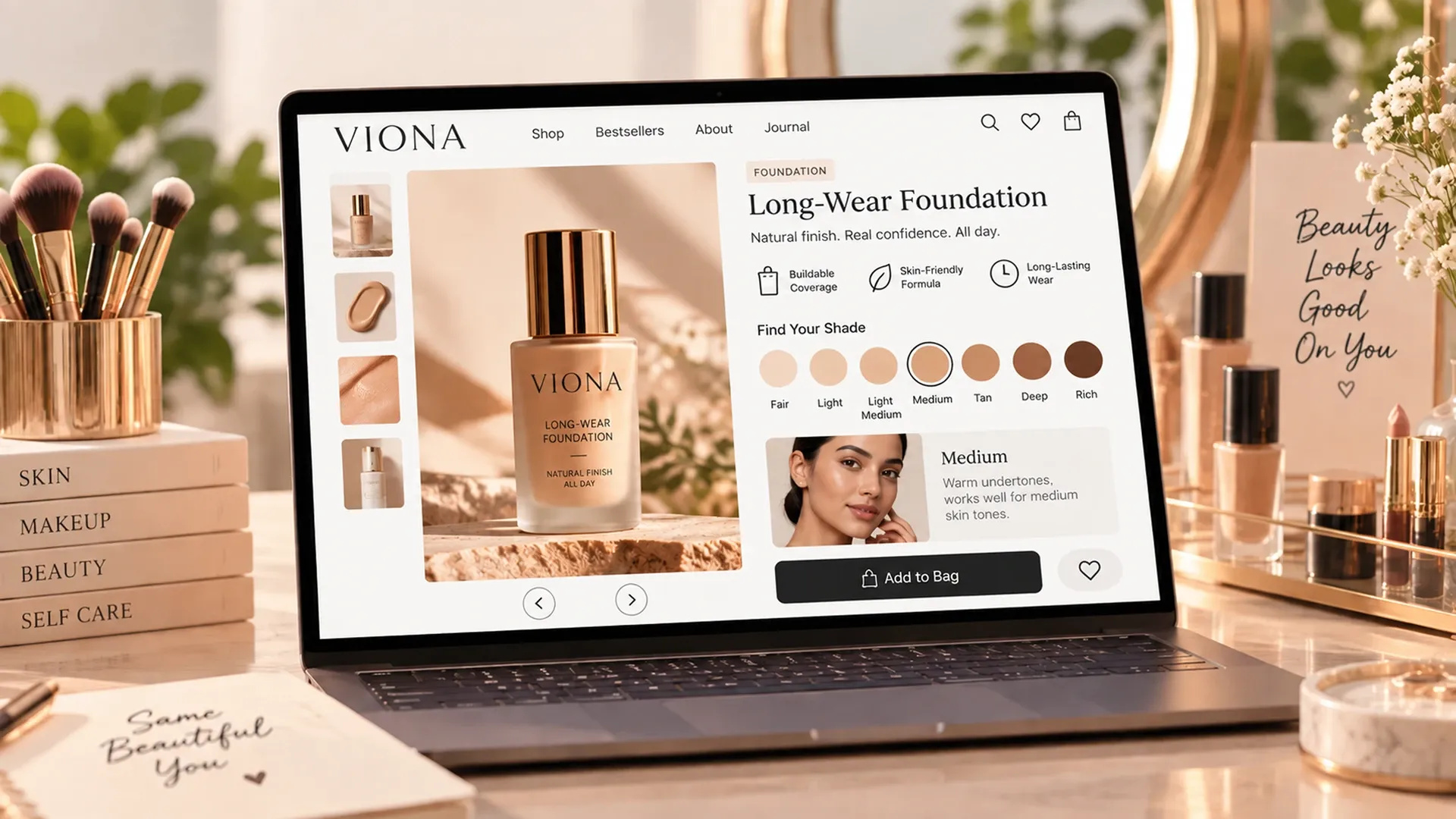
A premium cosmetics website cluttered with aggressive discount banners, generic templates, or low-resolution product photography works against the brand's positioning before a customer even reads a single product description. Clean, considered UI/UX design, high-quality photography that captures texture and packaging detail, and a checkout experience free of pushy upsells all reinforce the same premium feeling the product itself is meant to deliver, which matters because customers evaluating a higher price point are, consciously or not, judging the entire experience as part of that decision.
Search Behavior Specific to Beauty Concerns
Effective SEO for cosmetics brands starts with search behavior: shoppers frequently search by specific concern or desired outcome rather than generic product category names, a trend McKinsey's beauty industry insights track closely. On-page and content SEO organized around these concerns captures shoppers already searching with real intent:
- Specific skin tones or shade-matching concerns
- Particular finishes, like matte, dewy, or long-wear formulas
- Ingredient-specific searches, especially for sensitive skin
- Occasion-based searches, like everyday wear versus special events
Building Anticipation for Product Launches
Cosmetics launches perform significantly better when there's genuine anticipation built beforehand rather than a product simply appearing on the site without warning. Teaser content, early access for loyal customers or email subscribers, and coordinated social media buildup all create the sense of an event worth paying attention to, which matters especially in a category where customers are accustomed to frequent new releases from competing premium and mass-market brands alike.
Balancing Aspiration With Approachability
Premium positioning can tip into feeling unapproachable if a brand isn't careful, and the strongest premium cosmetics brands manage to stay aspirational without feeling unattainable:
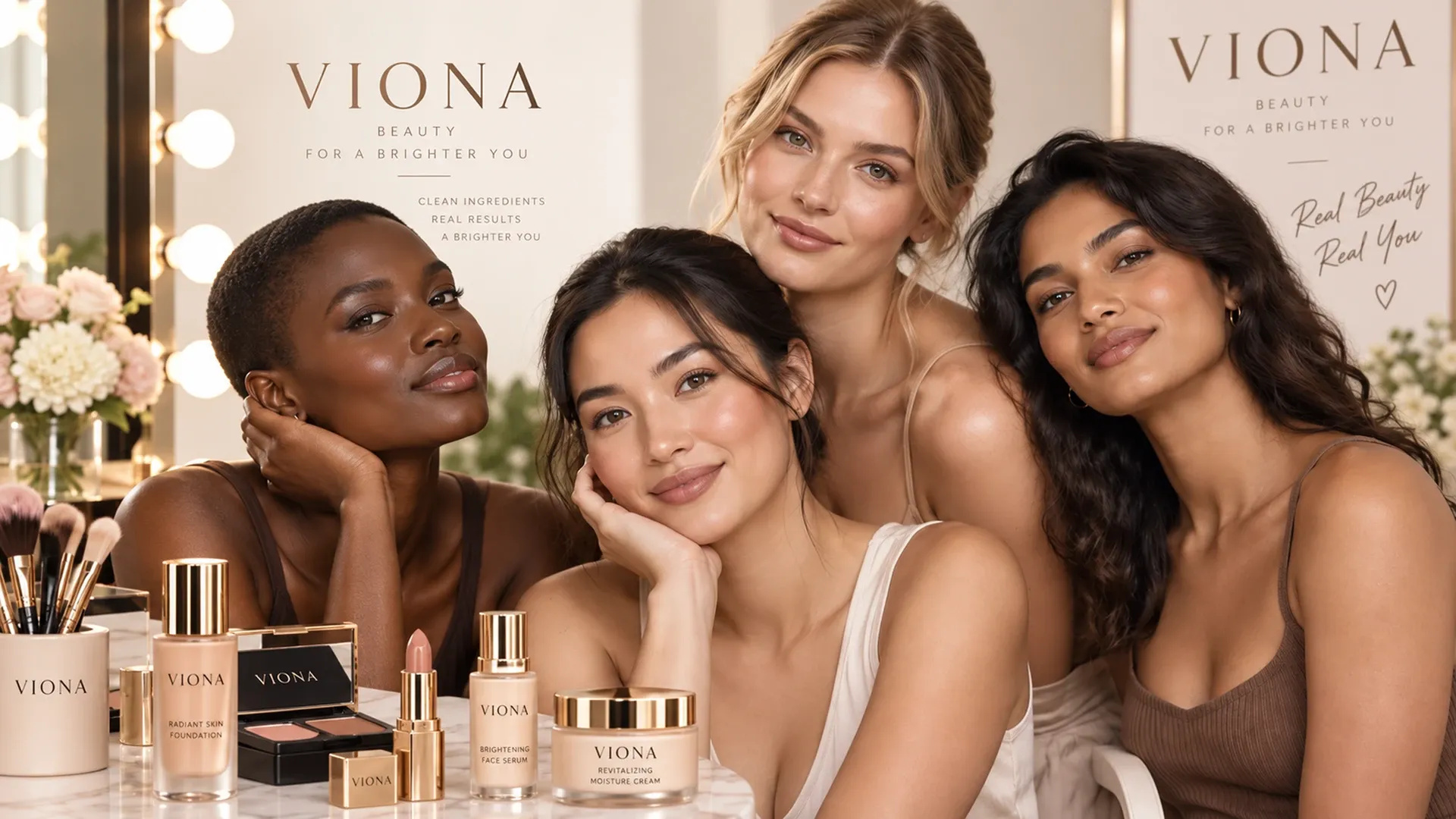
- Genuine, diverse representation in campaign and product imagery
- Approachable, helpful tone in customer service and content
- Clear guidance for customers new to a premium price point
- Honest information rather than only aspirational marketing language
Turning Influencer Buzz Into Actual Sales
One of the most overlooked cosmetics ecommerce tips: influencer mentions and viral moments generate attention, but attention alone doesn't guarantee sales unless the brand's site and product pages, backed by solid backend development, are ready to convert that sudden traffic. Fast-loading pages, clear stock availability, and easy checkout matter enormously in the narrow window when a product is trending, since much of that attention-driven traffic will move on quickly if the experience creates any friction between interest and purchase.
Helping Customers Choose the Right Shade or Formula
Cosmetics purchases carry a genuine risk of mismatch — the wrong shade, the wrong finish for a customer's skin type — and that risk is a common reason shoppers hesitate before buying online rather than in a store where they could test a product first. Detailed shade guides, virtual try-on tools where feasible, and honest descriptions of how a formula performs on different skin types all reduce this hesitation.
Reducing the risk of a wrong purchase does more for conversion than almost any discount or promotional offer could.
Making Returns and Exchanges Feel Low-Risk
Hygiene concerns make cosmetics returns more complicated than most product categories, but a policy that feels unreasonably restrictive discourages first-time purchases from customers who are still building trust with the brand. Clear, fair policies — even if they differ from a typical no-questions-asked apparel return — combined with transparent communication about exactly what qualifies for a return or exchange, reassure hesitant shoppers without exposing the brand to unnecessary risk from actual product misuse.
Effective digital marketing for premium cosmetics means matching the digital experience to the product's actual positioning, capturing beauty-specific search intent, building genuine anticipation for launches, staying aspirational without feeling unapproachable, being ready to convert sudden attention into real sales, helping customers choose confidently, and making returns feel low-risk. Brands that manage all of this turn premium positioning into sustained, compounding growth.