
 Get a Quote
Learn how organic food brands grow with ecommerce, SEO, product storytelling, ingredient trust, brand visibility, and digital marketing.
Organic food customers are paying a premium specifically because they trust the claims behind the label, which makes that trust the single most important thing an organic food brand has to earn and protect online. A brand that can't clearly substantiate its organic claims, or that prices without acknowledging the premium it's asking customers to pay, struggles to convert even genuinely interested, health-conscious shoppers.
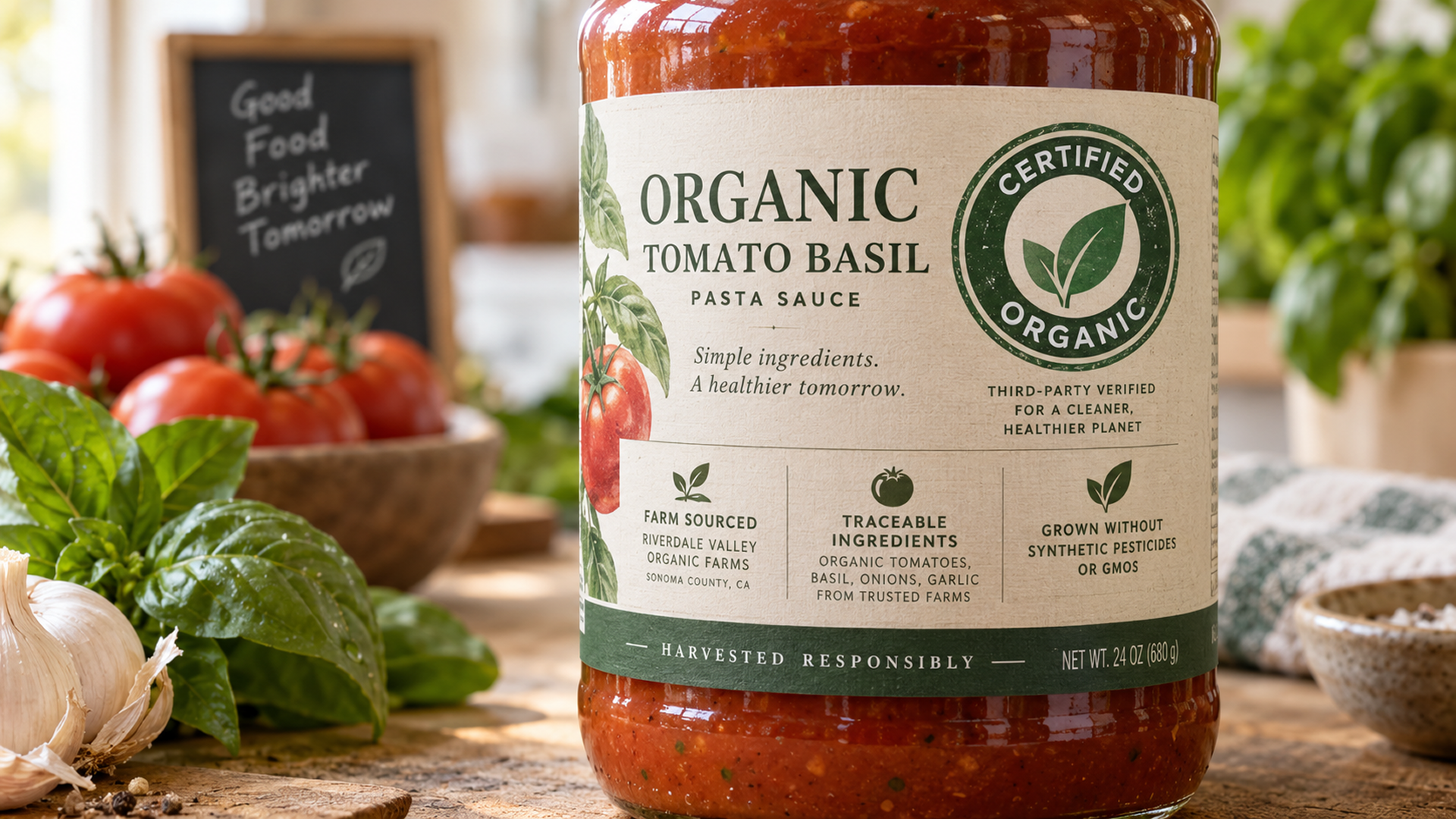
Proving Organic Claims Are Real
Organic claims are only as credible as the evidence behind them, and vague assertions do little to reassure shoppers who understand what USDA organic certification actually requires:
- Visible certification details, not just a logo without explanation
- Clear information about where and how ingredients are sourced
- Honest answers to common questions about what "organic" actually guarantees
- Third-party verification displayed prominently, not buried in footer text
Search Behavior Around Health and Sourcing
Effective SEO for organic food businesses starts with search behavior: shoppers often search with specific health or ethical priorities in mind — non-GMO, pesticide-free, locally sourced, sustainably farmed — rather than generic grocery category terms. On-page and content SEO built around these specific priorities captures shoppers who already care deeply about these distinctions, converting better than generic pages that don't speak directly to the reasons someone chooses organic in the first place.
Pricing Honestly for a Premium Category
Organic products almost always cost more than conventional alternatives, and brands that avoid addressing this directly leave customers to wonder whether the premium is justified. Content that explains what actually drives the cost difference — smaller-scale farming, stricter certification processes, higher-quality inputs — helps customers feel confident about paying more, rather than leaving them to assume the premium is purely a marketing markup with no real difference behind it.
Building Loyalty Beyond a Single Purchase
One of the most valuable organic food ecommerce tips: customers who trust one product from a brand are often open to trying more, but only if the brand nurtures that relationship intentionally:
- Automated subscription systems for staple products customers repurchase regularly
- Educational content that deepens a customer's understanding over time
- Loyalty programs that reward consistent, values-aligned purchasing
- Personalized recommendations based on previous purchase history
Telling the Story Behind the Sourcing
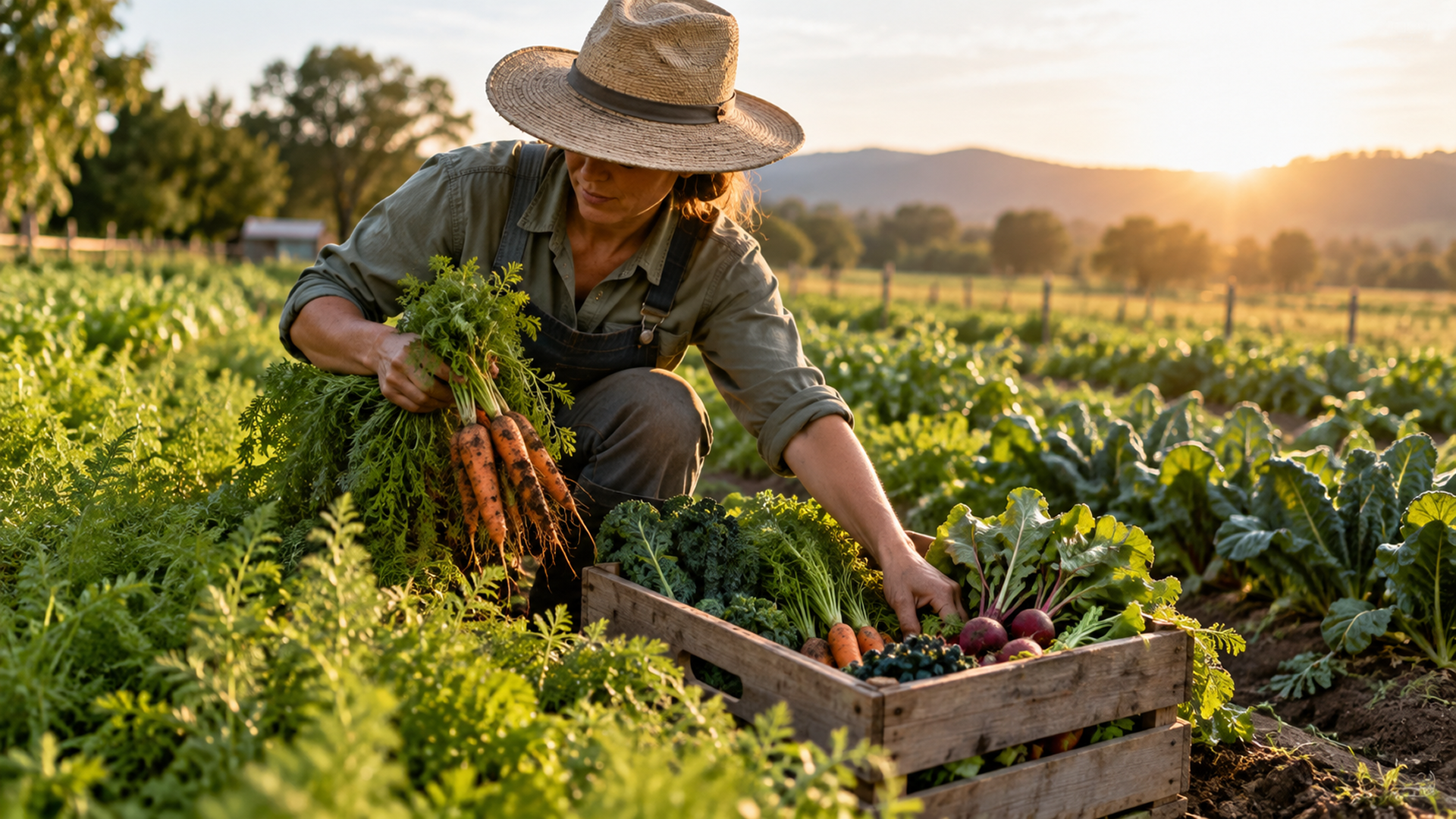
Organic food customers often care as much about the story behind a product as the product itself — the farm it came from, the people who grew it, the practices behind how it was produced. Genuine content marketing about sourcing, rather than generic stock imagery of farmland, builds a connection that purely transactional product listings can't replicate, and that connection is often what turns a first purchase into a values-aligned, long-term customer relationship.
Handling Seasonal Availability Honestly
Genuinely organic and sustainably farmed products often come with seasonal availability constraints that mass-produced alternatives simply don't face, and pretending otherwise tends to backfire when a popular product suddenly goes out of stock without warning. Clearly communicating seasonal availability in advance, offering substitutes or waitlists during off-seasons, and explaining why availability fluctuates actually reinforces the authenticity of the sourcing rather than reading as a supply chain failure, since customers who understand organic farming expect some natural variation.
Making Sustainability Claims Specific, Not Vague
Broad sustainability language — "eco-friendly," "good for the planet" — has become common enough across the food industry that it barely registers with increasingly skeptical shoppers anymore. Specific, verifiable claims — the exact packaging material used and why, a particular farming practice and its measurable impact, a concrete sourcing policy — carry far more weight than generic environmental language.
They give a skeptical customer something concrete to actually evaluate rather than a feel-good phrase to take on faith.
Effective digital marketing for organic food brands means proving organic claims with real evidence, capturing search intent built around health and sourcing priorities, pricing honestly for a premium category, building loyalty beyond a single purchase, telling a genuine story behind the sourcing, handling seasonal availability honestly, and making sustainability claims specific rather than vague. Brands that manage all of this build the kind of trust that turns skeptical shoppers into long-term, values-driven customers.