
 Get a Quote
Learn how diet food brands grow with ecommerce, subscriptions, SEO, product content, meal plans, customer retention, and digital marketing.
Diet food brands sell more than a product — they sell a commitment to a health goal, and the digital experience has to support that commitment at every step, from the first browse to the recurring order that keeps a customer on track months later. A confusing ordering experience or an unclear subscription model quietly undermines a customer's motivation before the food itself even arrives.
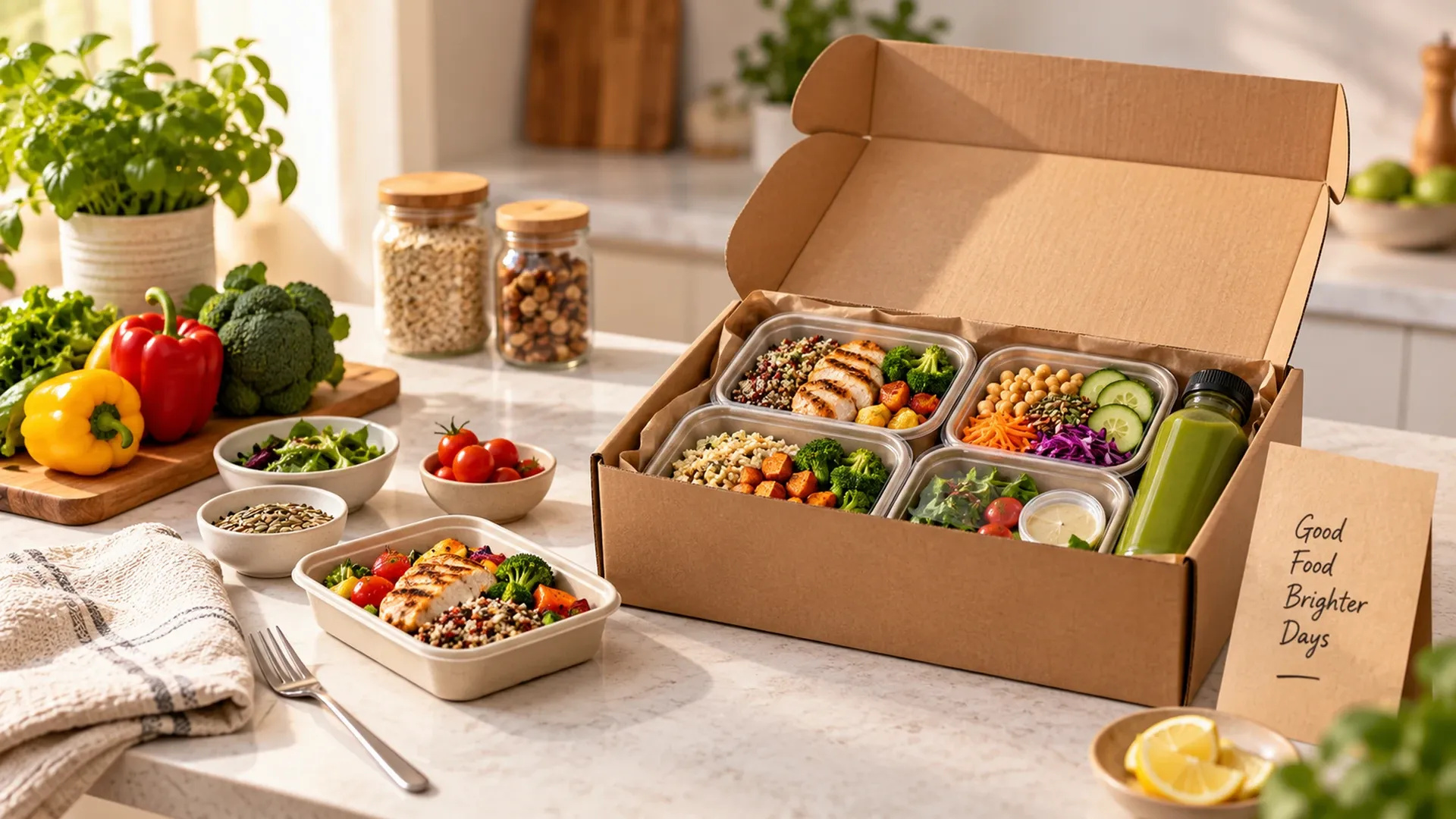
Making Subscription Value Obvious Upfront
A well-designed subscription system for food brands works well for diet food, but only when the actual value is communicated clearly rather than buried in fine print:
- Clear comparison between one-time purchase and subscription pricing
- Easy visibility into what happens each billing cycle before signing up
- Automated self-service options to pause, skip, or adjust deliveries without contacting support
- Transparent information about ingredients and portions in every plan
Search Terms Built Around Specific Diets
Diet food shoppers frequently search by specific dietary approach — keto, low-carb, high-protein, calorie-controlled — rather than generic healthy eating terms. On-page and content SEO organized around these specific diets captures customers who already know what they're looking for, converting considerably better than generic category pages that force a visitor to figure out which products actually fit their particular approach to eating.
Handling the Logistics of Perishable Products
One of the most distinctive diet food ecommerce tips: unlike most ecommerce categories, diet food often involves perishable ingredients that require careful handling, accurate delivery windows, and clear communication when something goes wrong with shipping. Setting realistic delivery expectations, providing tracking that actually reflects a package's real status, and having a responsive plan for delayed or damaged deliveries all matter more here than in categories where a late delivery is simply an inconvenience rather than a spoiled product.
Reducing Subscription Churn
Diet food subscriptions face a particular churn risk that groups like SUBTA study closely — customers who lose motivation with their health goal often cancel everything at once rather than adjusting:
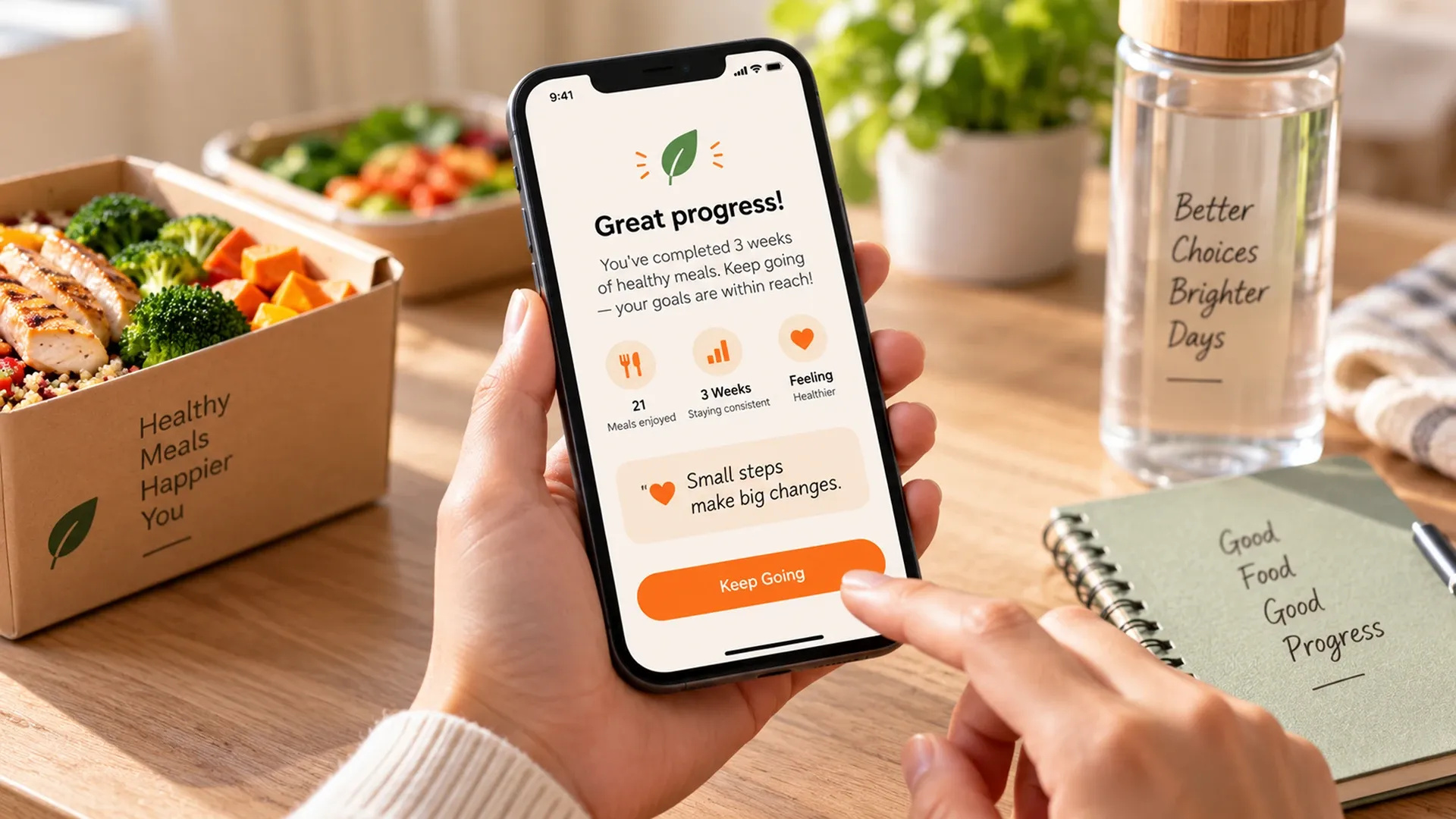
- Check-in messages that celebrate progress rather than just promoting more orders
- Flexible plan adjustments instead of an all-or-nothing cancellation option
- Variety in meal options to prevent the fatigue that often precedes cancellation
- A genuinely easy pause option that doesn't require a support conversation
Using Nutrition Transparency as a Trust Signal
Customers pursuing a specific diet are often carefully tracking macros, calories, or ingredients, and brands that make this information difficult to find lose credibility with exactly the audience most likely to become loyal, repeat customers. Clear, accurate nutritional information presented prominently, rather than buried in a downloadable PDF, signals that the brand takes the diet itself seriously, not just the marketing around it.
Supporting Customers Through Plateaus and Setbacks
Health goals rarely progress in a straight line, and customers who hit a plateau or fall off their plan for a few weeks often assume the product simply isn't working rather than recognizing a normal part of the process. Content marketing and check-in messaging that normalize this experience, rather than only celebrating steady wins, keep customers engaged through the discouraging stretches that would otherwise lead to a canceled subscription.
Brands that stay present and supportive during these harder moments retain far more customers than those that only show up when things are going well.
Making Meal Variety Easy to Manage
Even highly motivated customers eventually get tired of eating the same handful of meals on repeat, and running out of variety is one of the quieter reasons diet food subscriptions get canceled. Rotating menus, seasonal additions, and an easy way for customers to swap out meals they've already tried keep a subscription feeling fresh rather than repetitive, which matters considerably for retention over the months-long timeframes many health goals actually require.
Effective digital marketing for diet food brands means making subscription value clear upfront, capturing diet-specific search intent, handling perishable logistics carefully, reducing the unique churn risks this category faces, treating nutrition transparency as a genuine trust signal, supporting customers through setbacks, and keeping meal variety fresh. Brands that manage all of this build the kind of loyal customer base that sustains recurring revenue well beyond a single order.