
 Get a Quote
Learn how designer clothing brands grow with luxury ecommerce, fashion SEO, brand storytelling, conversion strategy, and digital marketing.
Designer clothing occupies a strange position online — the same ecommerce fundamentals that work for mass-market fashion can actually undermine a luxury brand if applied without adjustment, a tension McKinsey's State of Fashion research covers well, since heavy discounting banners and aggressive pop-ups read as inconsistent with the premium positioning the brand is trying to establish. Selling designer fashion online means translating the same craftsmanship and exclusivity that justifies the price tag into a digital experience that feels equally considered.
Ecommerce That Matches the Brand's Positioning
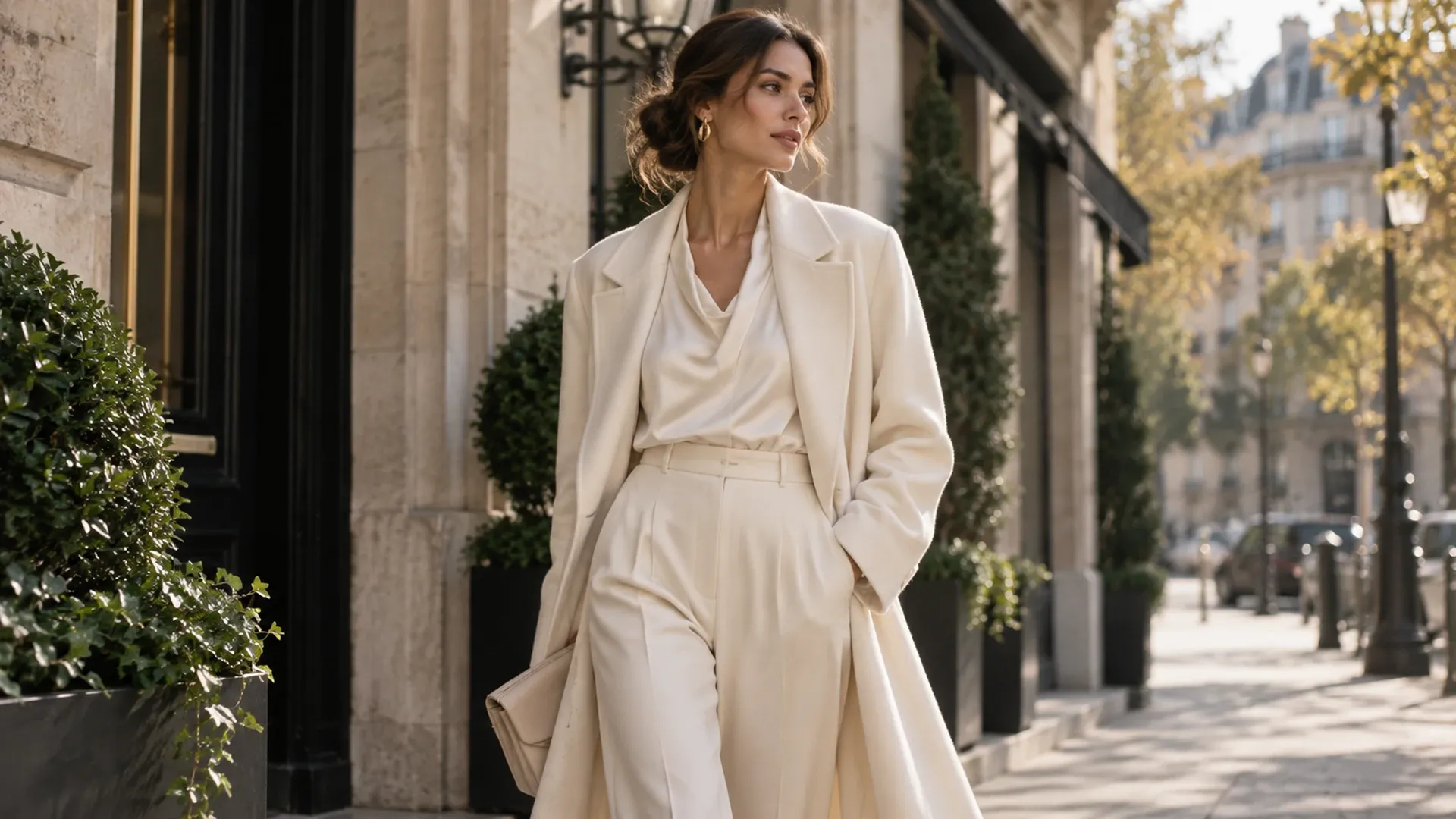
One of the most important designer fashion ecommerce tips: a website that looks and feels like any other online store undercuts the very premium positioning that separates the brand from mass-market competitors. Generous whitespace, high-resolution photography that shows fabric and construction detail, and a checkout experience shaped by deliberate UI/UX design — free of aggressive upsells and countdown timers — all communicate the same considered quality as the garments themselves. Buyers spending significantly more than a mass-market alternative are, consciously or not, evaluating whether the entire experience — not just the product — justifies that price difference.
Telling a Story Beyond the Product Photo
Product photography alone rarely communicates what makes a designer piece worth its price — the story behind it does much of that work:
- The inspiration or concept behind a specific collection
- Craftsmanship details, like materials sourcing or construction techniques
- The designer's background and creative perspective
- Editorial-style content that shows pieces styled in context, not just flat
Search Visibility for Fashion-Specific Terms
Effective SEO for fashion designers starts with search behavior: shoppers often search using specific, descriptive terms — a particular silhouette, fabric, or styling occasion — rather than generic category names that face impossibly broad competition. On-page and content SEO built around this specific language captures shoppers actively searching with real purchase intent, while generic terms mostly compete against much larger retailers with budgets designer brands can rarely match on paid search alone.
Managing Limited Inventory Without Losing Sales
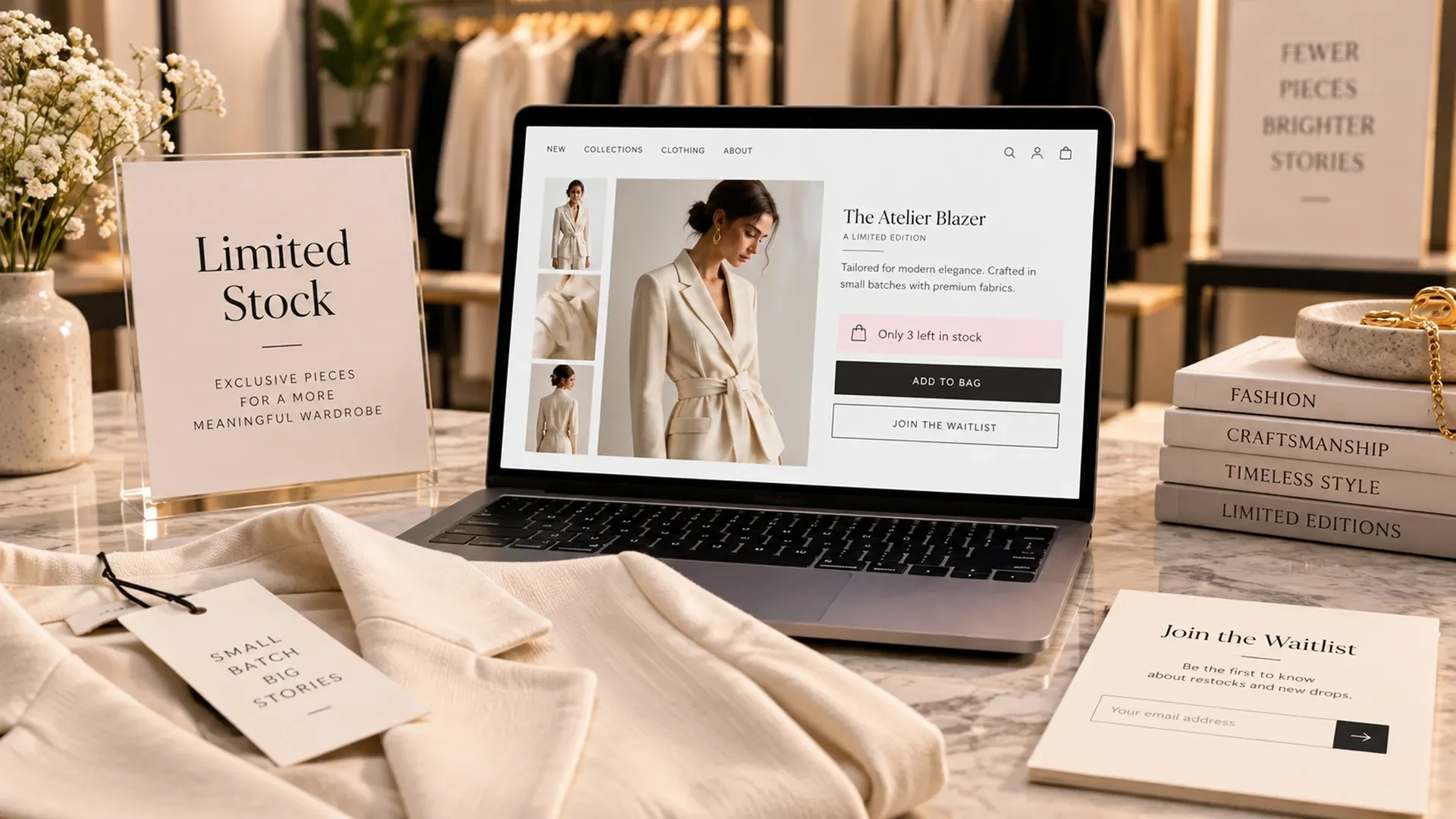
Designer collections are often produced in limited quantities, which creates a genuine tension between preserving exclusivity and avoiding the frustration of a shopper who finds their size sold out. Clear, honest stock indicators, a waitlist option for sold-out sizes, and advance notice of upcoming drops for engaged customers all help manage this tension without resorting to artificial urgency tactics that feel out of place for a premium brand.
Handled well, genuine scarcity can actually reinforce exclusivity rather than simply losing the sale outright.
Building an Audience Beyond a Single Purchase
A designer brand's most valuable customers are rarely one-time buyers — they're the ones who return for each new collection and recommend the brand to others in their circle. Consistent social media management that shares behind-the-scenes glimpses of the design process, early access to new drops, and styling inspiration keeps a brand present in a customer's mind well beyond the moment of a single purchase. Brands that invest consistently in this kind of ongoing relationship build a loyal customer base that costs far less to retain than the acquisition effort required to constantly find new buyers.
Removing Friction From the Purchase Decision
Even a genuinely interested shopper can abandon a designer purchase over small, avoidable friction points. A few details consistently reduce hesitation at checkout:
- Clear sizing guidance, since designer fits often vary from mass-market standards
- Transparent shipping costs and realistic delivery timelines
- A straightforward returns policy, especially important for higher-priced items
- Multiple ways to ask a quick question before committing to purchase
Effective digital marketing for designer clothing means building an ecommerce experience that matches the brand's actual positioning, telling a story that justifies the price beyond the product photo, earning visibility for fashion-specific search intent, and removing the small friction points that cause hesitant shoppers to abandon a purchase. Brands that get all four right turn browsing into confident, completed sales.