
 Get a Quote
Learn how art and craft centres grow with workshop booking systems, local SEO, memberships, websites, community marketing, and creative branding.
Art and craft centres often rely on word-of-mouth and foot traffic more than most businesses, but that alone rarely fills every workshop seat or builds the kind of steady, recurring attendance that keeps a creative space financially healthy. A thoughtful digital presence doesn't replace the in-person experience that makes these centres special — it simply makes it easier for the right people to find a class, understand what to expect, and commit to showing up.
Making Workshops Easy to Discover and Book
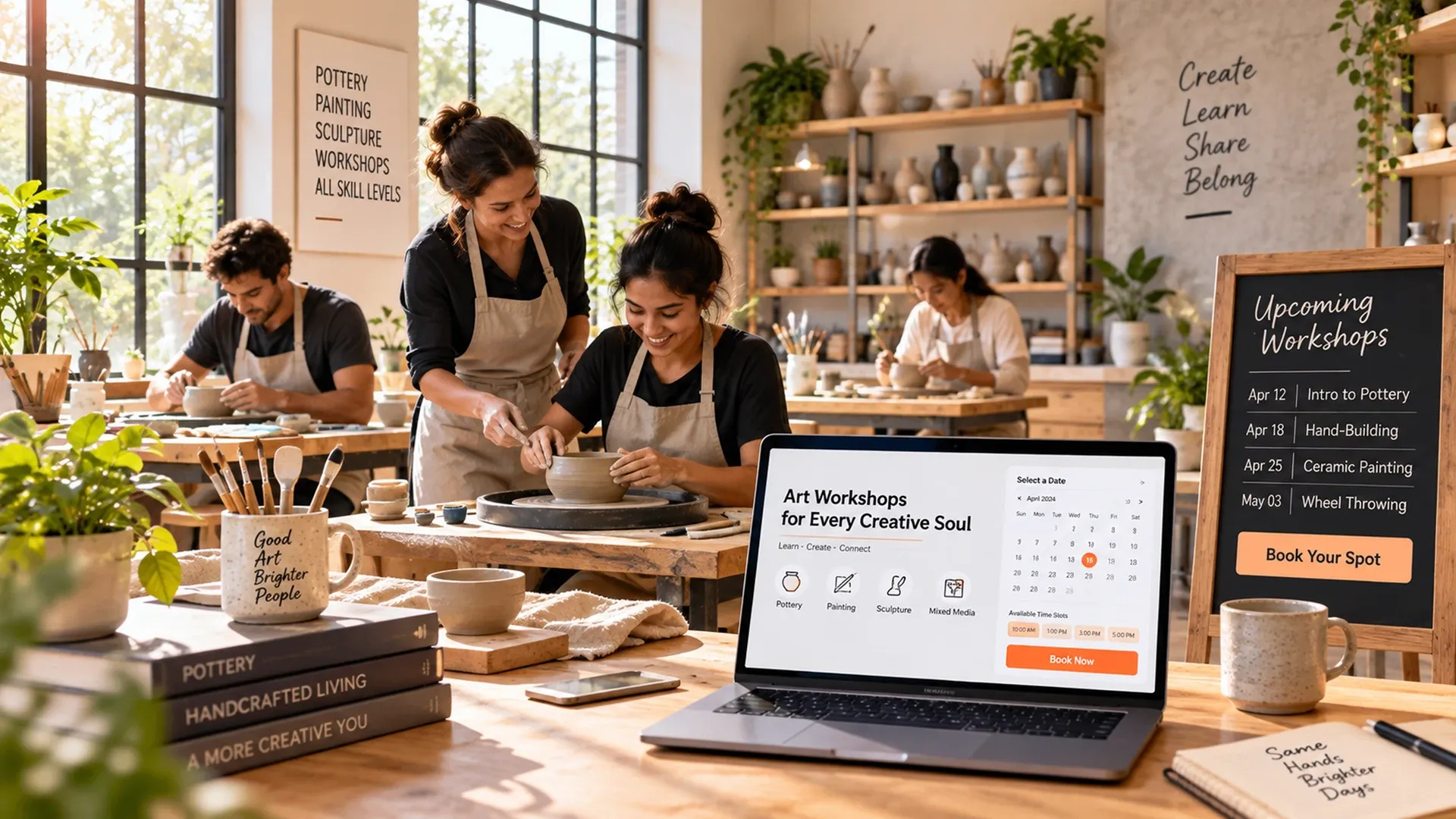
A surprising number of art and craft centres still manage bookings through phone calls, direct messages, or a sign-up sheet at the front desk. This works at a small scale, but it creates friction that quietly costs enrollments — exactly the kind of friction good workshop booking system tips help eliminate, since people who would have booked instantly often don't follow up after a phone call goes unanswered. A simple, automated booking system removes that friction:
- Real-time availability so people can see open spots instantly
- Clear class descriptions covering skill level, materials, and duration
- Instant confirmation instead of waiting for a callback
- Easy rescheduling that doesn't require another phone call
Turning One-Time Visitors Into Members
A single workshop booking is valuable, but a membership or recurring package is what actually stabilizes revenue for a creative centre. Occasional visitors who enjoyed one class are often open to committing further if given a simple, appealing reason to — a discounted multi-class pass, a monthly open-studio membership, or early access to new workshops. The centres that grow steadily tend to treat every first-time booking as the start of a relationship to nurture, rather than a single transaction to close, following up afterward instead of waiting for people to think to come back on their own.
- A follow-up message after someone's first class, not just a receipt
- A visible, easy-to-understand membership or multi-class option
- Early access or discounts for members when new workshops launch
- A simple way to refer friends into an existing class or membership
Why Local SEO Matters More Than National Reach
Almost every art and craft centre depends on people who live or work nearby, which is exactly why SEO for art and craft classes focuses so heavily on local search visibility rather than broad national reach. Someone searching for a pottery class or painting workshop "near me" is a warm, ready-to-book lead in a way that generic broad traffic rarely is. Claiming and keeping an accurate Google Business Profile, encouraging happy students to leave reviews, and getting the fundamentals of on-page and content SEO right all contribute directly to being the option that shows up when someone nearby is deciding where to sign up.
Letting Student Work Do the Marketing
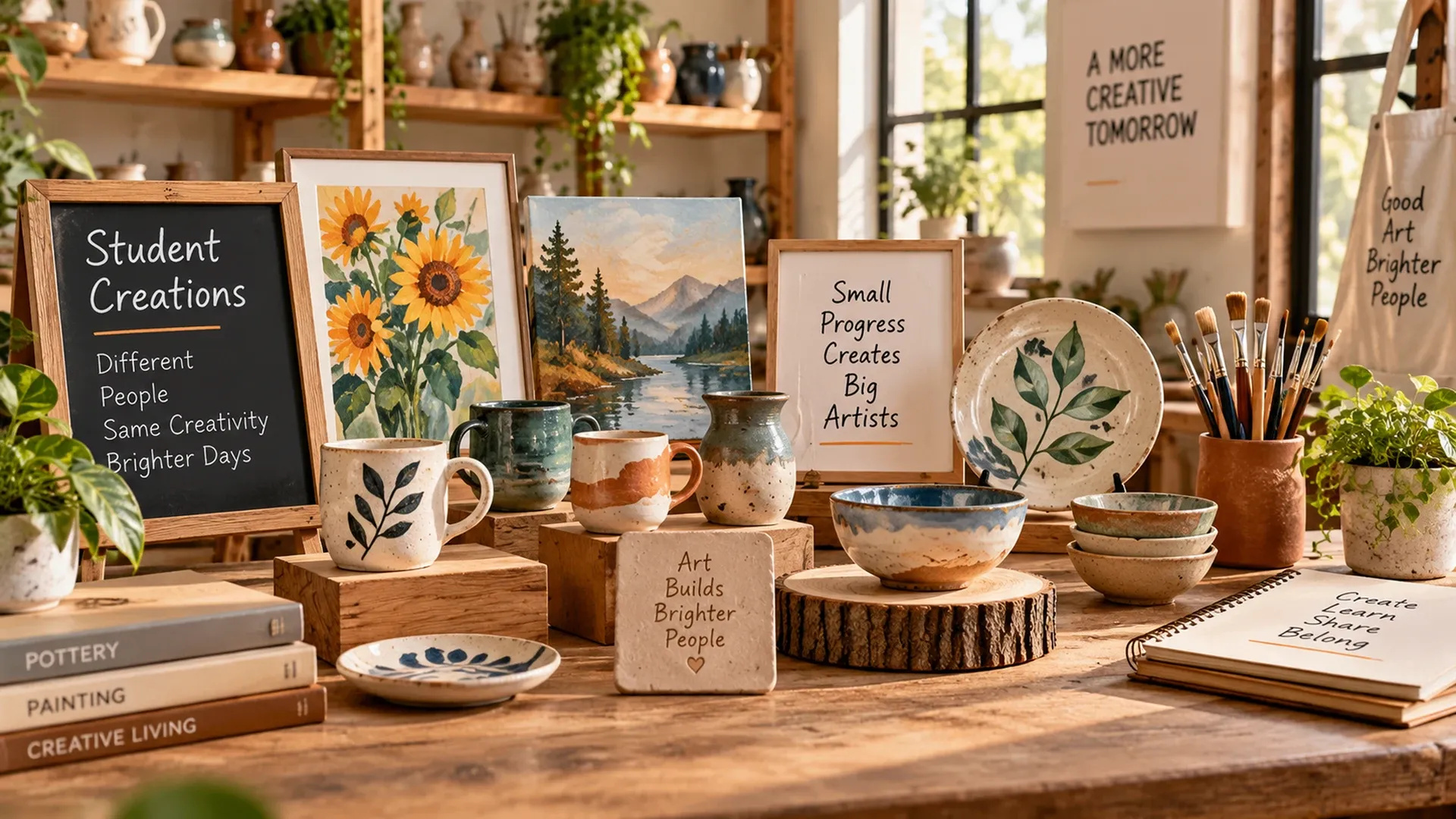
Few businesses have as much naturally shareable content sitting around as a creative centre does — finished pottery pieces, half-completed paintings, proud beginners holding up their first project. This is one of the simplest creative education marketing ideas available: photographing and sharing this work through consistent social media management, with permission, does more to convince a hesitant newcomer to sign up than almost any polished marketing message could, because it shows real people succeeding at something they were once nervous to try. Centres that consistently document and share student work build a visible track record of results that makes the decision to book a first class feel far less uncertain.
Filling Off-Peak Hours and Slower Seasons
Most creative centres see predictable patterns of busy evenings and quiet weekday afternoons, or a seasonal dip after an initial rush of enthusiasm. Rather than treating these slow periods as simply unavoidable, some centres fill them deliberately — offering discounted daytime sessions aimed at retirees or remote workers, running seasonal themed workshops, or opening the space for private group bookings during otherwise empty hours. Digital tools make it easy to target these specific, underused time slots with a tailored offer, turning idle studio time into additional revenue instead of leaving it empty.
Growing an art and craft centre online isn't about replacing the personal, creative experience that draws people in.
It's about removing the friction between someone's curiosity and an actual booked seat.
Easy booking, thoughtful membership offers, strong local visibility, genuine student stories, and smart use of quieter hours all work together to keep classes full and the community coming back.